Heads up: Gumnutly is reader-supported. Some links on this page are, or may become, affiliate links. If you buy through them we may earn a commission, at no extra cost to you. How we make money
There’s something about a piece of timber that’s been shaped by hand. Pick up a turned bowl or a carved keepsake and you can feel the grain under your thumb, see where the tool went, and know that no two will ever be quite the same. It’s the opposite of something that rolled off a production line, and that’s exactly why it makes such a good gift.
This guide covers what to look for in a handmade wooden gift made from Australian timber: the grain, the finish, the care it needs, and the questions worth asking about where the wood came from. We’ve also included a few of our own pieces, with our connection to them made clear.
How we pick
- Craft and honesty first. We look for pieces where the maker tells you what the timber is, how it was finished and how to look after it.
- Timber facts from forestry and industry sources. Where we describe a species, we link the state forestry agency or industry body we took it from. We don’t guess species from photos.
- No invented makers or products. We name a maker only when we’ve verified them. For now, that’s just us, and we disclose it.
- No prices. Handmade pieces vary a lot, so check with the maker.
Our own pieces: the handmade wooden koala and cross
Gumnutly makes a small number of handmade wooden pieces of our own, including a wooden koala and a wooden cross.
Disclosure: Gumnutly makes and sells these pieces, so we have a financial interest.
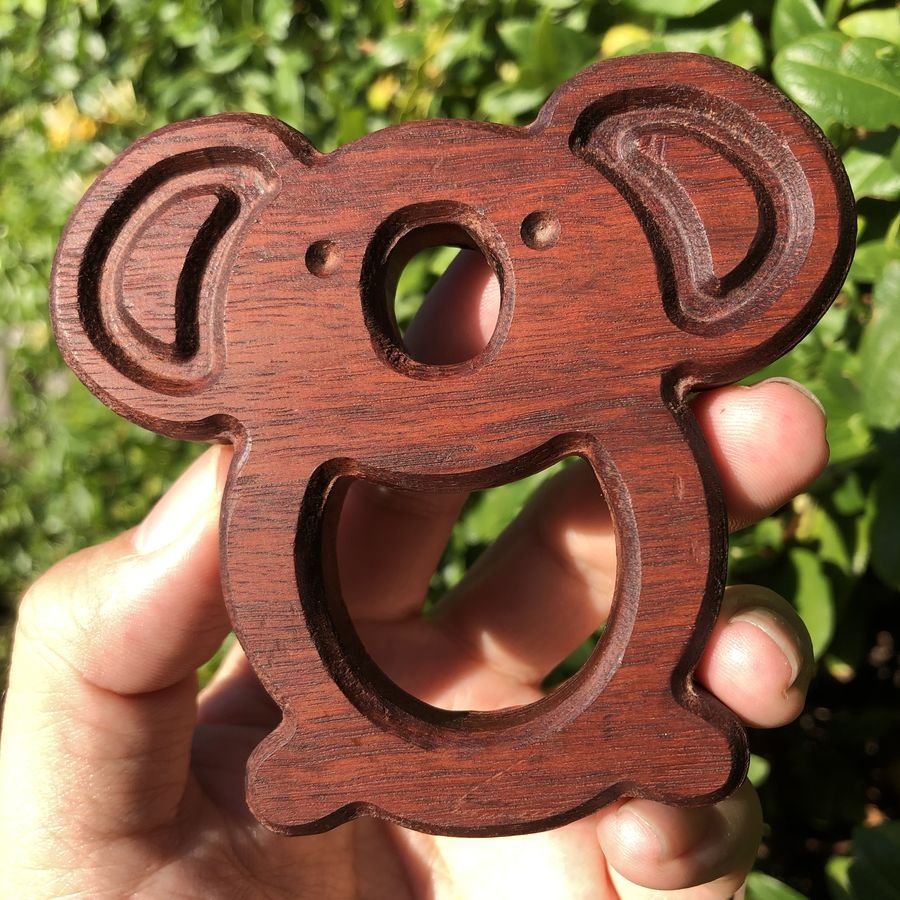
The wooden koala is a little keepsake that’s as at home on a desk or windowsill as it is in a child’s room (as an ornament rather than a toy). It suits anyone who loves Aussie wildlife, or an expat who needs a reminder of home that won’t melt in the post.
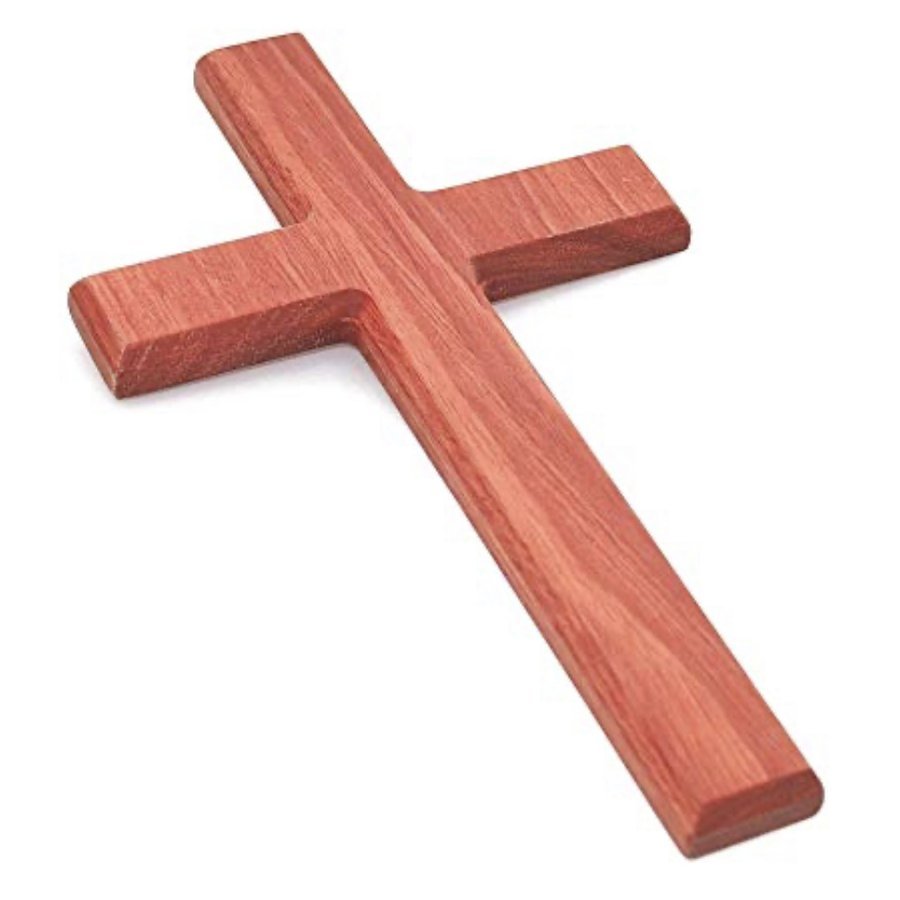
The wooden cross is a simple, quiet piece. People give crosses for baptisms, confirmations, first communions, weddings, as a sympathy gift, or just for someone whose faith matters to them. A handmade timber one feels more personal than a mass-produced version.
Because each piece is made by hand, the grain and colour vary, so no two are identical. If you’d like to ask about either piece, including availability, timing or anything else, start at the Gumnutly home page or get in touch through our contact page.
What to look for in a handmade wooden gift
1. The grain
Grain is the pattern the wood’s fibres make, and it’s half the beauty of a timber piece. Look for:
- Grain that suits the shape. On a turned bowl, the grain should flow around the curve. On a small carved figure, a tighter, more even grain often holds fine detail better.
- Character, not flaws. Knots, burls and colour streaks can be beautiful. Cracks that run right through a piece, or loose knots, are a different matter, especially in anything that holds food.
- Colour variation. Natural timber varies, even within a species. Tasmania’s forestry agency notes that blackwood, for example, varies from light brown to dark brown, with occasional red tints and black streaks, in its technical bulletin on the species. So the piece you get may not match the photo exactly, and that’s part of the charm.
2. The finish
The finish protects the wood and brings out the grain. Ask the maker what they used, especially for anything that will touch food.
- For boards, bowls and spoons: ask whether the finish is food-safe, and how often the piece will need re-oiling.
- For ornaments and keepsakes: a wax, oil or lacquer finish is common. Ask whether it needs any upkeep.
- Feel it if you can. A good finish is smooth all over, including the underside and the edges, with no rough patches or drips.
3. The timber species (and how to check)
A good maker will tell you what timber they’ve used. If they don’t, ask. Species matters for colour, weight and how a piece ages.
Some Australian timbers you’ll see in handmade gifts:
- Jarrah. A West Australian classic. The Forest Products Commission’s species information says jarrah is found only on lateritic soils in south-west Western Australia. Business Queensland’s timber properties page describes its heartwood as dark red to pink-red, usually darkening with exposure.
- Tasmanian blackwood. As mentioned above, Tasmania’s forestry agency says in its technical bulletin on the species that blackwood varies from light brown to dark brown, with occasional red tints and black streaks.
- Huon pine. A prized Tasmanian timber, and one where it’s worth asking the maker where the wood came from.
There are many more, from other eucalypts to she-oak and native pines. The point isn’t to memorise species. It’s to buy from a maker who knows, and tells you.
4. Provenance: where did the wood come from?
Ask the maker where they got their timber. Common answers include:
- Salvaged or reclaimed timber, such as wood from fallen trees, old furniture, demolished buildings or offcuts from other jobs. Many makers love working with it, and it often comes with a story.
- Timber from a supplier, in which case ask whether it’s certified. The Forest Stewardship Council (FSC) describes itself as dedicated to promoting responsible management of the world’s forests. Small makers working with salvaged wood may not carry a certification logo at all, so ask about the timber’s story instead.
A maker who’s happy to tell you where their timber came from is usually a maker who cares about it.
5. “Handmade” and “Australian made”
“Handmade” can cover a lot, from a piece shaped entirely by hand to one cut on a machine and finished by hand. Neither is wrong, but it’s fair to ask. Likewise, only take “Australian made” at face value when the seller states it clearly. Australian timber and Australian making aren’t always the same thing.
Caring for a wooden gift
Include a care note with your gift, or ask the maker for one. The basics:
- Check before it goes in the dishwasher. Follow the maker’s care instructions for washing, and if there aren’t any, ask the maker before putting a wooden piece in the dishwasher.
- Don’t leave it soaking. Wash, rinse and dry it straight away.
- Re-oil when it looks dry. Follow the maker’s advice on what to use. If in doubt, ask them.
- Keep it out of harsh sun and away from heaters. Big swings in heat and moisture can dry timber out.
- For ornaments, a gentle dust with a soft dry cloth is usually all they need.
Other Australian wooden gifts to consider
If a koala or a cross isn’t quite right, there are plenty of other handmade timber gifts to look for:
- Serving and chopping boards. Practical and handsome, especially in a richly coloured timber.
- Turned bowls. From small trinket dishes to fruit bowls. Ask whether a bowl is for display or for food.
- Spoons, spreaders and salad servers. Small, light and easy to post.
- Coasters and trivets. A good way to show off a striking grain.
- Jewellery and trinket boxes. Look for neat joints and a smooth-closing lid.
- Turned pens. A good gift for someone who still writes by hand.
- Banksia pod pieces. Some makers work with the woody cones of banksias. Ask what a maker offers. See our guide to gifts featuring wattle, waratah and banksia.
- Christmas decorations. Small timber ornaments are light, hard to break and easy to post.
Where to find makers
- Local craft markets and galleries. Many regions have markets where you can meet the maker. If you’re visiting the South West, it’s worth asking at local visitor centres. Our Busselton and Dunsborough day trip and Margaret River weekend itinerary cover the region.
- Woodturning and woodworking clubs. Many hold exhibitions or sales, and members are usually happy to talk timber.
- Online marketplaces. Look for sellers who name the species, describe the finish and show the actual piece.
Sending wooden gifts overseas
Some countries control wood and plant products at the border, even finished ones, so check before you post. New Zealand Customs, for example, lists “plant and animal products, including food and accessories” among items that need permission on its receiving items from overseas page. Declare timber items clearly on the customs form, and check the Australia Post Christmas cut-off dates 2026 if it’s a Christmas gift.
More from Gumnutly
- Australian souvenirs that aren’t tacky
- Australian Christmas hampers compared
- Australian-made gifts from Margaret River
- All our gift guides
Written by our editors. Gumnutly makes and sells the wooden koala and cross featured here. Timber facts are from the linked forestry and industry sources. Last checked: 1 November 2026.