Heads up: Gumnutly is reader-supported. Some links on this page are affiliate links. If you buy through them we may earn a commission, at no extra cost to you. As an Amazon Associate we earn from qualifying purchases. How we make money
Flying out for Christmas with a suitcase full of presents? Carrying gifts is a different game from posting them: you have to think about carry-on liquid limits, summer heat, squashed boxes and a biosecurity officer with a very good nose. This guide covers what packs well, what to declare, and how to keep it all in one piece.
If you would rather post things ahead, start with our guide to Australian-made gifts to send overseas and the Australia Post Christmas cut-off dates for 2026.
Quick answer: The easiest Australian gifts to take overseas are sealed, solid and flat: packaged biscuits and chocolate, tea towels, merino socks, books and small handmade keepsakes. Spreads, skincare and other liquids and gels are the trouble spots in a carry-on, so put them in checked luggage or keep each one at 100 mL or less. Declare all food, plant material and wooden items on arrival where the country asks, and skip anything fresh, such as flowers, gumnuts or seed pods.
How we pick
- We researched this guide. We did not test products or fly with every item.
- We checked the rules on official government sites on 11 November 2026. Rules change, so check again before you fly.
- No brand paid us to be included.
- We have left prices out, because they move around.
Gifts that pack well in a suitcase
Each idea below has a reason it suits, a packing tip and a customs note. Our Aussie stocking stuffers and gifts for Aussie expats lists have more ideas if you need extras.
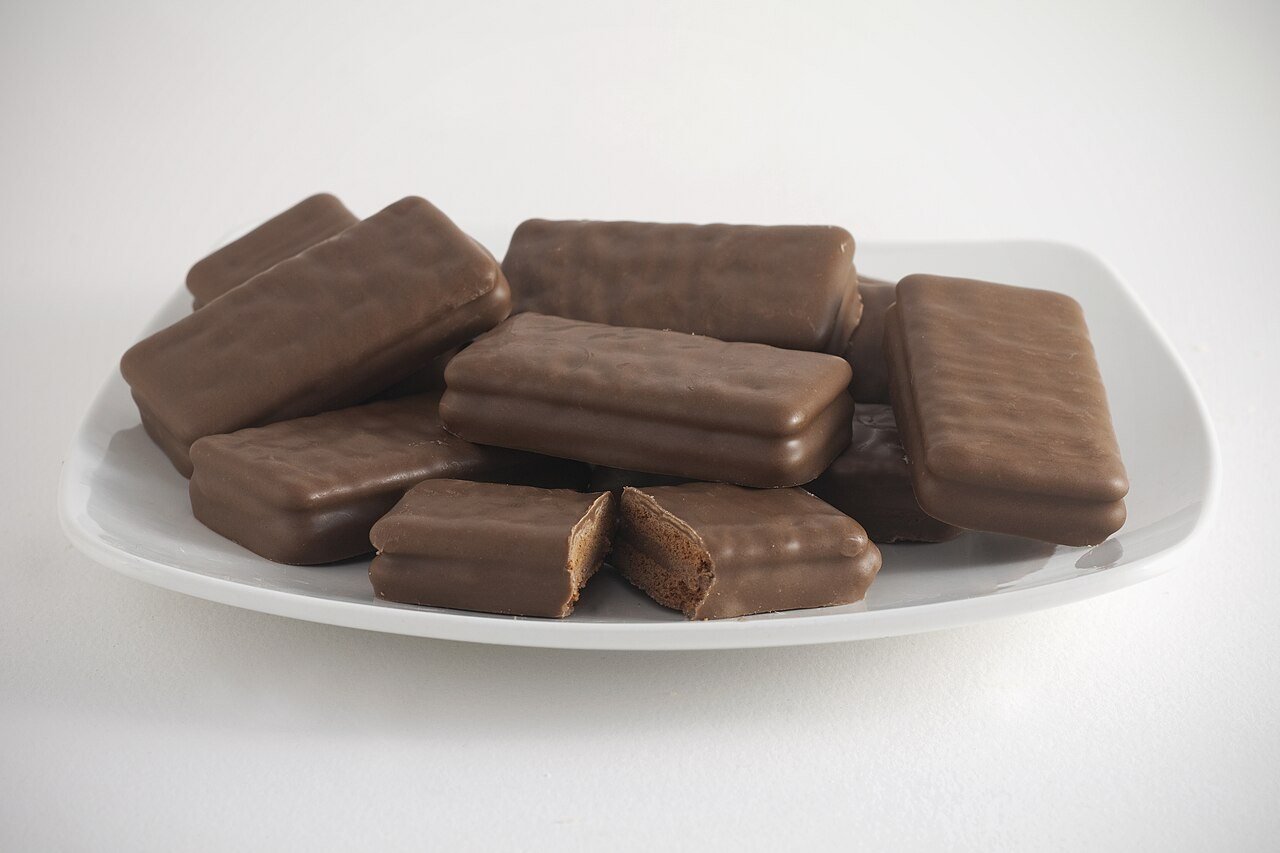
Tim Tams and Aussie chocolate
The classic. Packaged biscuits and chocolate are generally the least fussy food to carry. Heat is the enemy, so keep them in your carry-on or an insulated bag rather than a hot hold, and slot the packets in flat so they do not crush. Declare them where the country asks about food.
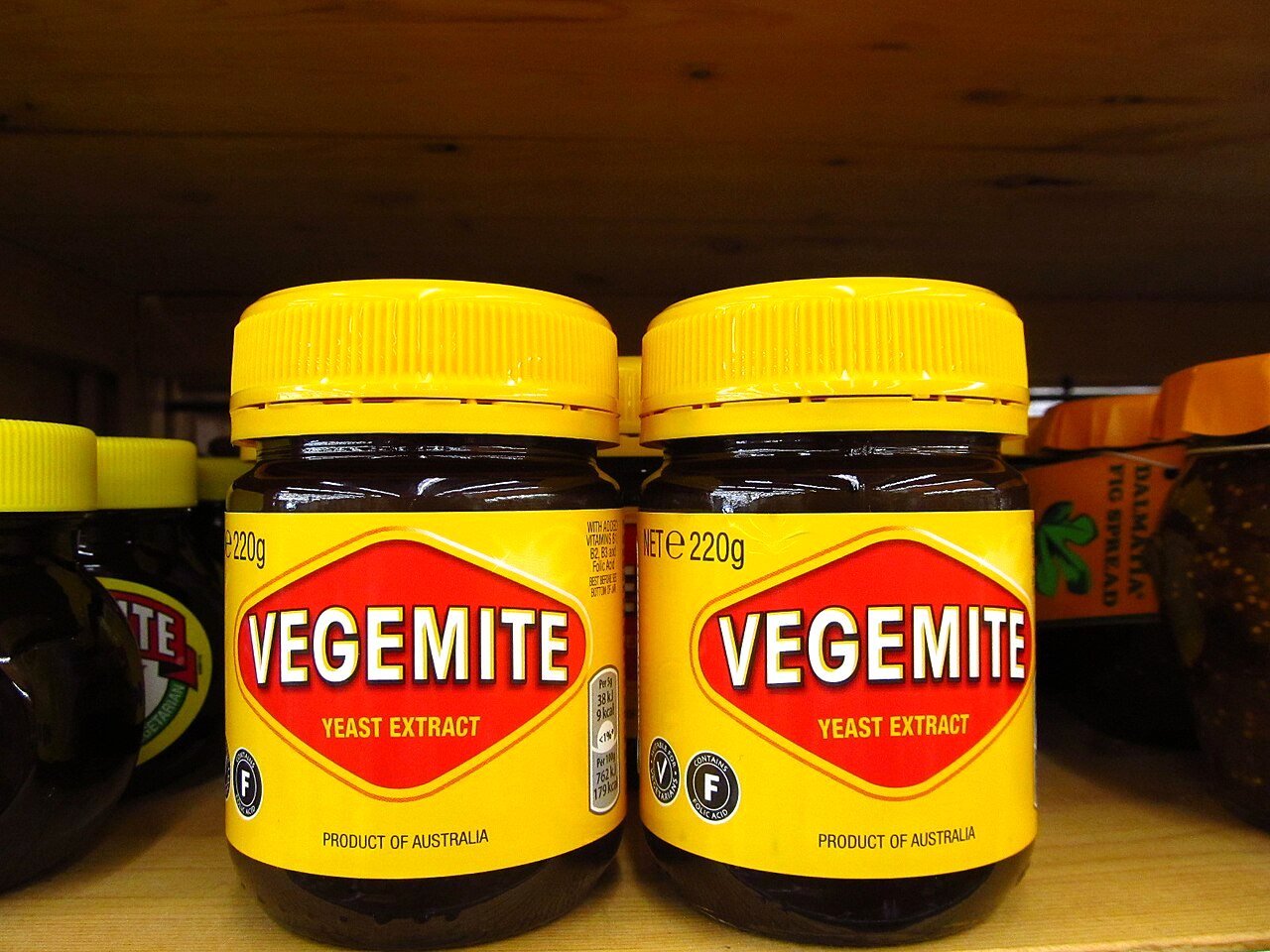
Vegemite and other spreads
TSA allows gels and pastes in carry-on bags only in containers of 3.4 ounces (100 mL) or less, and its food page says liquid or gel food items larger than that belong in checked bags. Spreads are not named on the pages we read, so treat a big jar like a gel: put it in checked luggage, or buy a small jar or tube. Wrap glass in clothes and seal it in a zip bag in case of leaks. Screening when you leave Australia has its own liquids limits, so check your departure airport’s guidance too.
Macadamias and native-flavour treats
Sealed, commercially packaged nuts and snacks are easy to carry. Keep them in original packaging with the ingredients label showing, and declare them where required. See our native-flavour food gifts for ideas such as wattleseed, lemon myrtle and bush tomato flavours.
Native botanical skincare
Creams and lotions count as liquids and gels. Travel sizes go in the carry-on, full sizes in the checked bag. Heading to New Zealand? MPI lists cosmetics made from plants among the plant products to declare, so tick yes for those too. Our guide to native botanical skincare covers who makes what.
Merino socks and beanies
Light, soft and squashable, and they double as padding around a jar. A great pick for a northern-hemisphere winter.
Tea towels and Aussie-print textiles
The flattest gift going. A folded tea towel or two slips into any suitcase gap and is easy to wrap on arrival.
First Nations art and products
These make meaningful gifts, but buy ethically: look for Indigenous-owned businesses or licensed products, and steer clear of mass-produced fakes. Our guide to buying First Nations art ethically explains what to look for. Boomerang-style souvenirs are only worth buying when they are genuinely made by First Nations artists.
Handmade wooden gifts
Wood is lovely to give but a common biosecurity question. See the destination notes below and our handmade wooden gifts guide.
Books by Australian authors
Children’s picture books are ideal: flat, light and no food worries. Mind your airline’s weight allowance, because books add up quickly.
Australian coffee and tea
Sealed bags of coffee or tea are solid goods. Keep them sealed and declare them where food must be declared.
Our own keepsake: a handmade wooden koala
Disclosure: Gumnutly makes and sells this piece, so we have a financial interest.
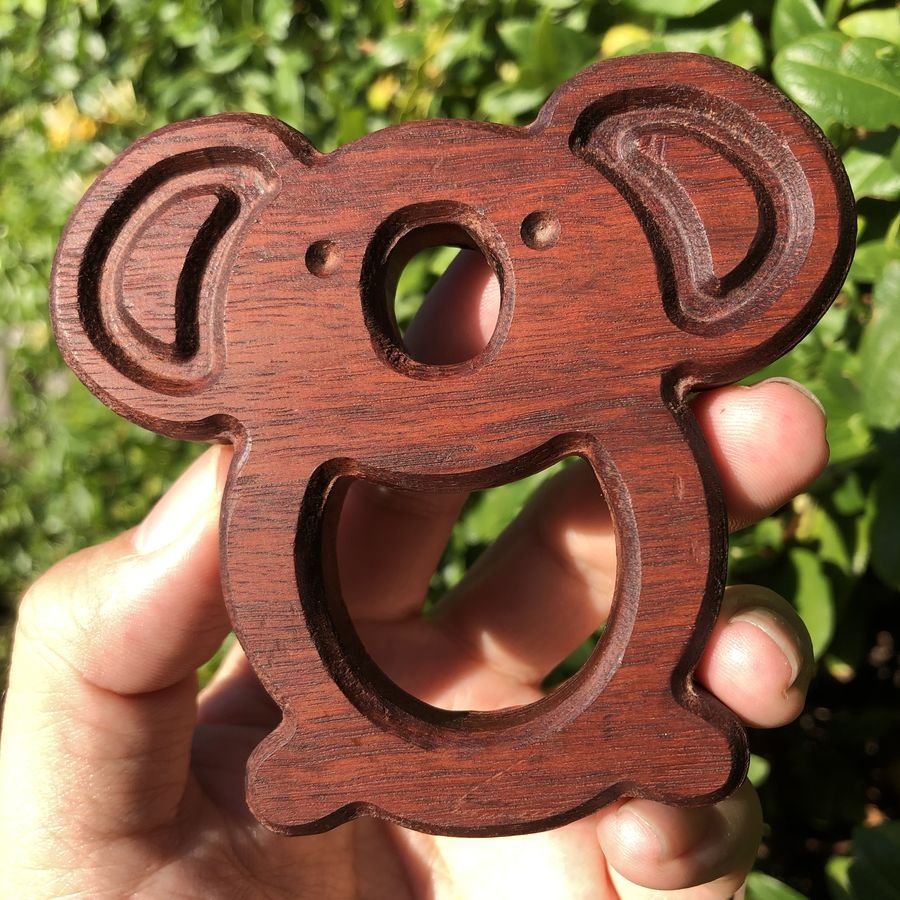
Our wooden koala is a small handmade keepsake (not a toy), easy to tuck into a coat pocket or the corner of a bag. Because it is wood, it is worth declaring where a country asks about wooden items, such as New Zealand. More in our wooden gifts guide.
Gift comparison
| Gift | Packs best in | Customs note |
|---|---|---|
| Tim Tams and chocolate | Carry-on (keeps cool) | Declare as food where asked |
| Vegemite jar | Checked bag, or small size in carry-on | Declare as food; spreads follow liquid and gel limits |
| Macadamias, native-flavour snacks | Either | Declare; keep original packaging |
| Native botanical skincare | Checked bag, or travel sizes in carry-on | Liquid and gel limits apply |
| Merino socks, beanies | Either | Usually simple; declare if asked |
| Tea towels, textiles | Either | Usually simple |
| First Nations art | Carry-on if fragile | Some pieces use wood, plant material or feathers: declare and keep receipts |
| Wooden keepsakes | Either, wrapped in clothes | Declare where wooden items are asked about (e.g. NZ) |
| Books | Carry-on (watch weight) | Usually simple |
| Coffee and tea | Either | Declare as food where asked |
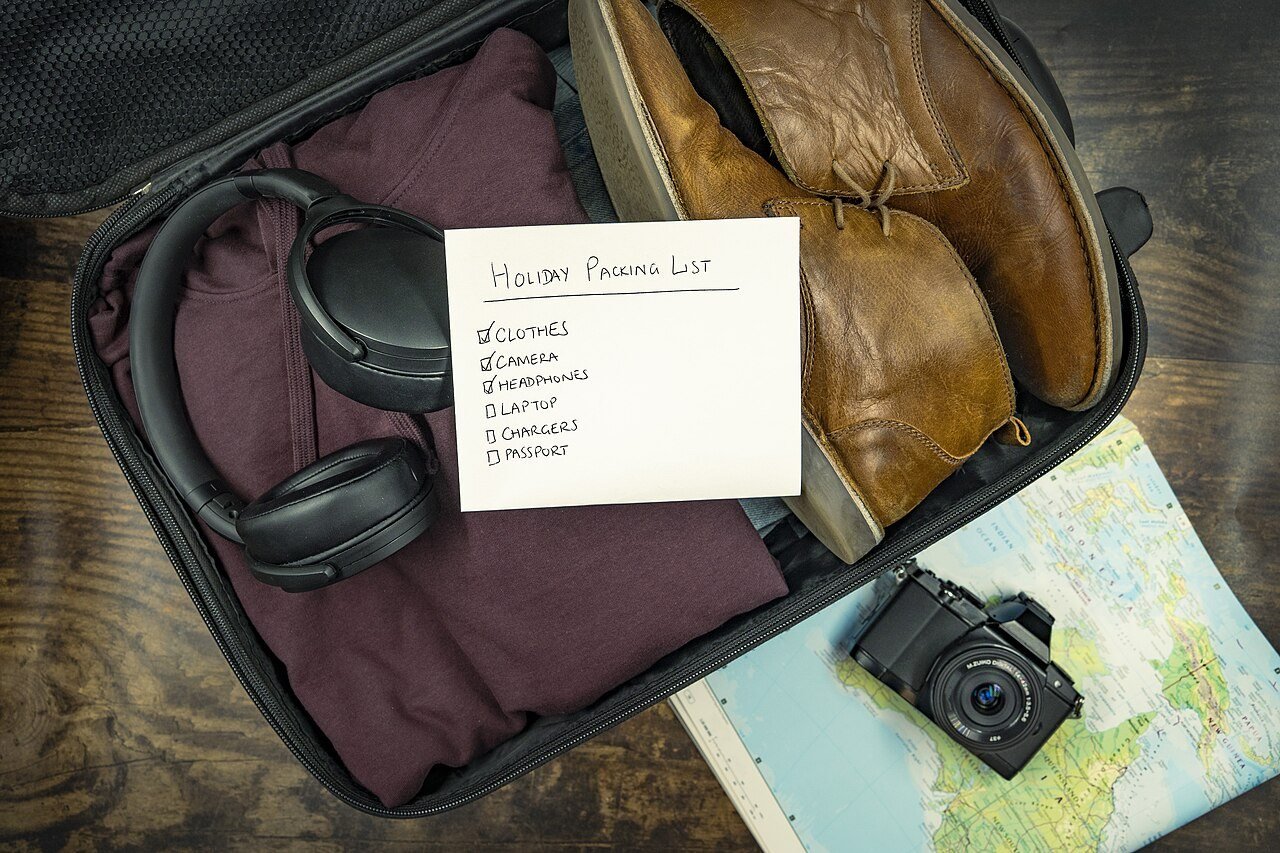
Packing tips
- Beat the heat. Chocolate melts fast in a summer departure. Keep it in the carry-on or an insulated bag.
- Cushion jars. Wrap them in clothes, then seal in a zip bag.
- Keep receipts. Handy for declarations and for any refund claim.
- Do not wrap yet. TSA’s holiday tips, as shared by US airports, say wrapped gifts are allowed but officers may need to unwrap one to resolve an alarm, and it recommends wrapping after your flight. Use gift bags or lidded boxes, or pack gifts unwrapped and wrap on arrival with ideas from our Christmas wrapping paper guide.
- Check your airline’s weight limit. Presents add up.
A few packing helpers worth a look (these are search links, not endorsements of a specific product):
Clear toiletry bags for carry-on liquids and gels.
Leak-proof silicone travel tubes for small amounts of skincare.
A small insulated bag for chocolate.
A luggage scale, to avoid a nasty surprise at check-in.
Customs and biosecurity by destination
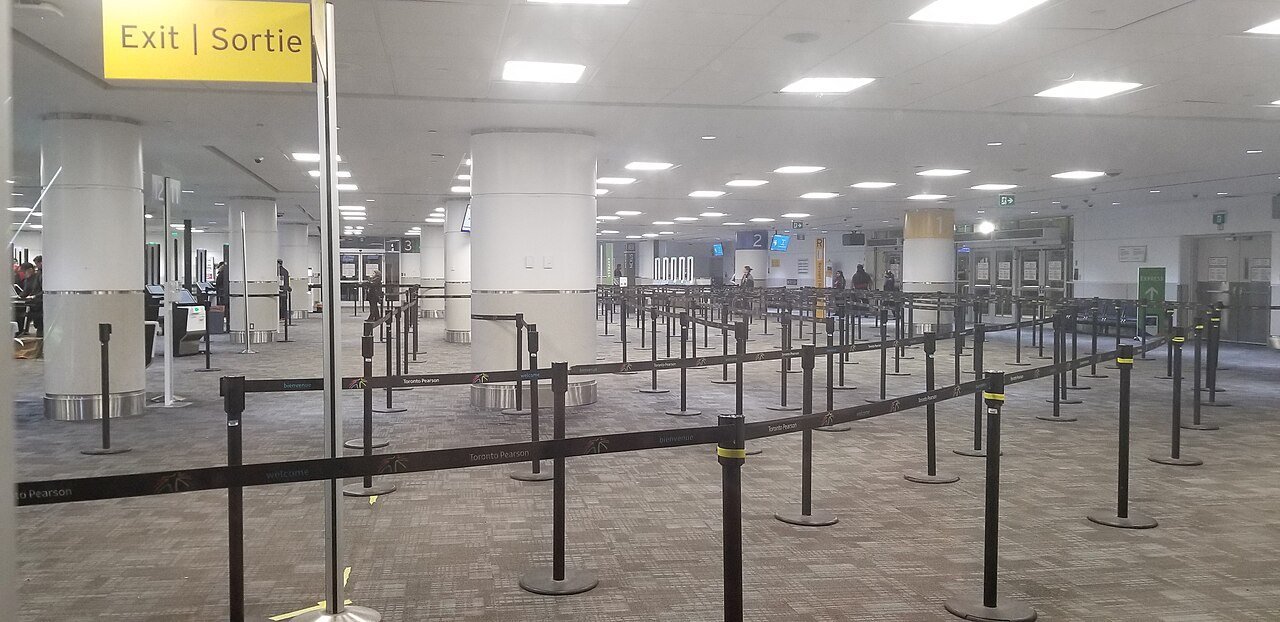
Check the official list before you fly. Rules change, and officers make the call at the border.
USA
CBP says all travellers entering the US must declare meats, fruits, vegetables, plants, seeds, soil and animals. USDA says travellers must declare all agricultural or wildlife products, and that if you declare everything you will not face penalties even if an item cannot enter. Meat is the tightly controlled category, so leave meat snacks at home. Sealed biscuits and chocolate are what most people bring, but declare them and let the officer decide.
New Zealand
MPI says to declare all risk items, like food, plants, wooden products and animal products, and its list of plant products to declare includes items made of wood, such as carvings, plus dried flowers, seeds and cosmetics made from plants. Fail to declare a risk item, even by accident, and you could face an NZD$400 instant fine. If in doubt, declare, or use the amnesty bins on arrival. Our food-by-post guide covers the parcel side.
United Kingdom
GOV.UK says you cannot bring meat, meat products, milk or milk-based products into Great Britain from outside the EU, Switzerland, Norway, Iceland, Liechtenstein, the Faroe Islands and Greenland. It lists bread (not filled with meat or dairy), cakes without fresh cream, biscuits, and chocolate and confectionery (not those made with a lot of unprocessed dairy ingredients) as allowed from any country. Check the page for the latest.
Elsewhere
Many countries want food, plant products and wood declared. Check the destination’s border or agriculture agency site before you pack.
Leaving Australia
Some native plants and animals, and products from protected wildlife, need a wildlife trade permit to export. Do not pack fresh flowers, gumnuts, seed pods or seeds, and check the Department of Climate Change, Energy, the Environment and Water (DCCEEW) wildlife trade pages if a gift contains shell, feathers, bone or plant material.
Tourist Refund Scheme
Australia’s Tourist Refund Scheme (TRS) lets eligible travellers claim back GST on goods bought in Australia when they leave. The Australian Taxation Office says purchases must total AUD 300 or more (GST inclusive) from one business with the same ABN, be bought within 60 days of departure, be paid for by you, and come with original tax invoices. You must carry or wear the goods on board the aircraft or ship as cabin baggage unless they are oversized or subject to aviation security measures and the airline requires them to be checked in as hold luggage; the ABF says not to check in restricted goods such as liquids and gels until you have presented them for inspection by an ABF Client Services officer. Claim at the airport TRS facility at least 30 minutes before departure. Check the ABF pages for the latest before you fly. Duty-free allowances at your destination vary by country.
One last thought: for many families, Christmas is when they celebrate the birth of Jesus and gather with loved ones. A little taste of home in the suitcase means a lot at those tables.
Confirmed vs. not confirmed
Confirmed (checked 11 November 2026)
- TSA: carry-on liquids, gels and pastes must be in containers of 3.4 ounces (100 mL) or less.
- CBP and USDA: declare agricultural products; meat is restricted.
- GOV.UK: no meat or milk products from most non-EU countries; biscuits and most chocolate allowed.
- NZ MPI: declare food, plant products and wooden items; NZD$400 instant fine for failing to declare.
- ATO and ABF: Tourist Refund Scheme conditions (AUD 300 from one ABN, 60 days; carry or wear as cabin baggage unless restricted or oversized, in which case show them to ABF Client Services before check-in).
Not confirmed
- Australian departure-airport liquids rules (check your airport).
- TSA’s gift-wrap advice comes from its holiday tips as published by US airports, not a standing tsa.gov rule page.
- Your product’s ingredients, your airline’s limits and the officer on the day.
FAQ
Can I take Tim Tams to the USA?
Sealed, commercially packaged biscuits are what most people bring, but CBP asks you to declare agricultural products, so declare them and follow the officer’s call.
Can I take Vegemite in hand luggage?
TSA allows gels and pastes of 3.4 ounces (100 mL) or less in carry-on, and larger liquid or gel foods belong in checked bags. Spreads are not named, so treat them like a gel.
Do I need to declare wooden gifts in New Zealand?
Yes. MPI lists items made of wood, such as carvings, among the plant products to declare. Not declaring a risk item can bring an NZD$400 instant fine.
Can I get the GST back on gifts bought in Australia?
Possibly, through the Tourist Refund Scheme: AUD 300 or more (GST inclusive) from one business, bought within 60 days of departure, with original tax invoices, and the goods carried or worn on board as cabin baggage unless they are oversized or subject to aviation security measures and must be checked in. Check the ABF page before you fly.
What Australian gifts are easiest to pack?
Flat, solid things: tea towels, merino socks, books, sealed biscuits and small handmade keepsakes.
More from Gumnutly
- Australian souvenirs that aren’t tacky
- Christmas gifts for Aussie expats
- Aussie stocking stuffers
- Sending Aussie food overseas
How we wrote this
- Researched from official government pages and search results, checked 11 November 2026.
- Where a rule comes from a secondary source, we say so above.
- No products were tested, and no brand paid for a mention.
Top photo: two jars of Vegemite, Willis Lam / Wikimedia Commons, CC BY-SA 2.0. Vegemite and Tim Tam are trademarks of their respective owners, shown for identification only; no brand is affiliated with Gumnutly. More on our photo credits page.
Sources
- TSA: liquids, aerosols and gels rule
- TSA: food
- CBP: bringing agricultural products
- USDA APHIS: meats, poultry and seafood
- GOV.UK: bringing food into Great Britain
- NZ MPI: how to declare items when arriving in NZ
- NZ MPI: what happens if you fail to declare
- Australian Border Force: Tourist Refund Scheme
- ABF: oversized or restricted goods in checked luggage
- ATO: Tourist refund scheme
- Kansas City International Airport: TSA holiday travel tips
- DCCEEW: wildlife trade
Written by the Gumnutly team. Last checked: 11 November 2026 (NZ fine and TRS carry/wear wording re-checked against official MPI and ATO/ABF pages).