Category: Gift guides

  • Wildlife adoption gifts: symbolic koala adoptions and who ships overseas

    Wildlife adoption gifts: symbolic koala adoptions and who ships overseas

    Heads up: Gumnutly is reader-supported. Some links on this page are, or may become, affiliate links. If you buy through them we may earn a commission, at no extra cost to you. How we make money

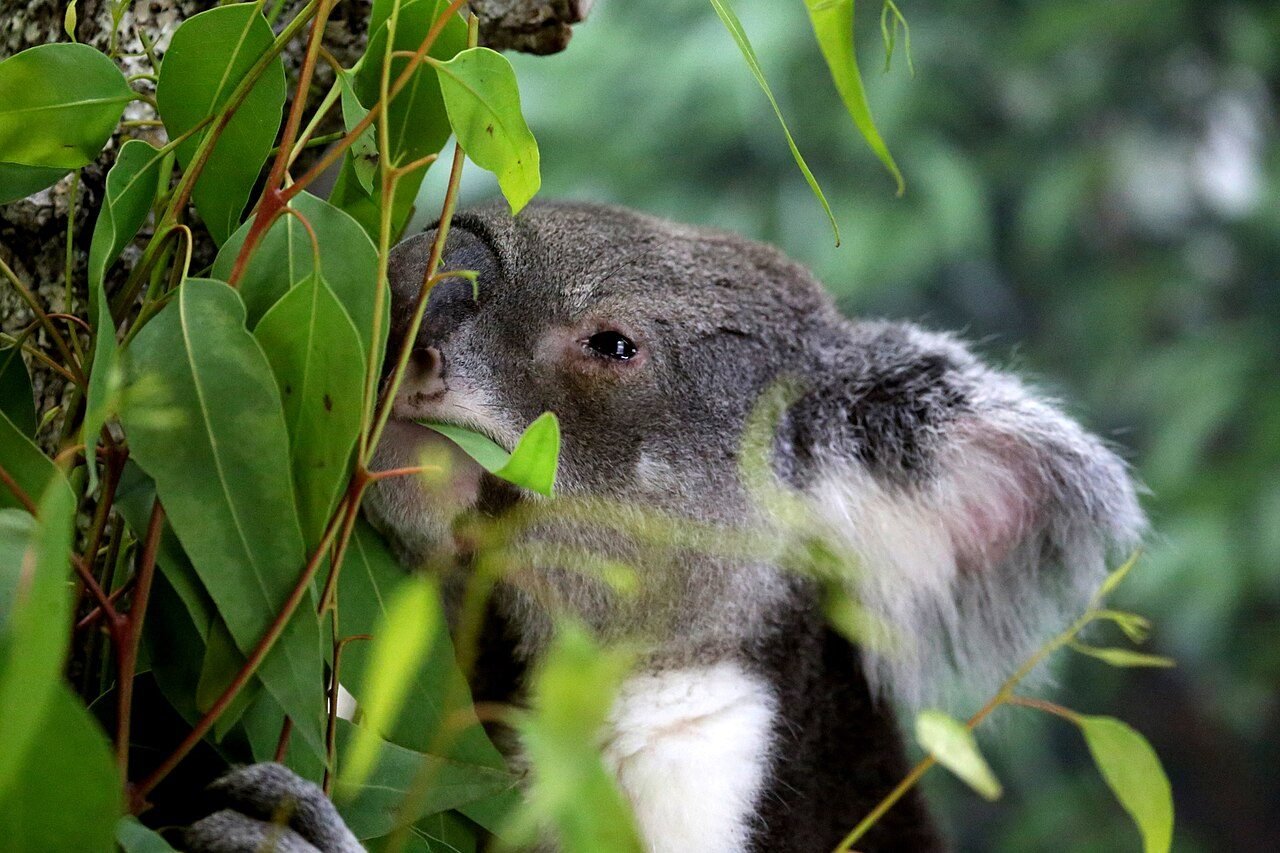
    For the person who has everything, or the kid who’s mad about koalas, a symbolic wildlife adoption is a gift that does some good. You don’t get a koala in the post (sorry). You get a pack with a certificate, some facts and often a plush toy, and the money goes to the organisation’s work.

    The catch for overseas gift-givers is that not every program posts packs abroad. This guide compares three Australian koala adoptions, sets out what each says you get, and tells you which ones will send a pack overseas.

    How we pick

    • Australian organisations with official adoption pages. We only include programs whose details we could read on the organisation’s own website.
    • Their words, not ours. Pack contents, delivery times and shipping rules come from each organisation’s page, and we link it.
    • Prices only as quoted. Where we mention a price, it’s exactly as the official page states it, at the time of writing (checked 31 October 2026). Check the page before you buy.
    • “Symbolic” means symbolic. None of these programs sends you an animal or gives you a koala of your own.
    • We’re not endorsing one charity over another. Each works differently, so pick the one whose work you want to support.

    At a glance

    Program What the pack includes (their words, summarised) Pack delivery time Posts packs overseas? Digital option
    WWF-Australia Koala plush (optional), factbook, adoption certificate, Living Planet magazine, WWF sticker 10 to 15 business days No, Australian addresses only Downloadable certificate link in the confirmation email
    Taronga Conservation Society Personalised certificate, framed photo of your koala, welcome letter, sticker, fact sheet (plush at higher levels) Within 10 days No, currently Australia only Ask Taronga about digital options
    Port Macquarie Koala Hospital See the hospital’s page for current pack options Varies by country International postage notice on its adoption page E-certificate by email with every adoption

    WWF-Australia: Adopt a Koala

    WWF-Australia’s symbolic adoption program covers a long list of animals. Australian natives include the koala, platypus, wombat, eastern quoll, glossy black cockatoo, turtle and whale.

    What you get: WWF says the koala gift pack “includes a cuddly koala plush toy, factbook, adoption certificate, Living Planet magazine and WWF sticker.” The plush toy is optional. Choose “Just the pack” if you’d rather not get one. WWF also notes that pack contents are subject to availability.

    Price (as quoted): the koala page says you can choose “an ongoing adoption from as little as $15 per month”. Single-gift options are shown in the form on the page, so check there for current amounts.

    Timing: WWF says to expect the pack in 10 to 15 business days, and it may be slightly delayed by external factors. If you pay by direct debit, allow up to five extra working days.

    Can it go overseas? No. WWF’s FAQ says: “we are not able to send adoption packs to addresses outside Australia.”

    Last-minute or overseas workaround: WWF says that “if you want to beat the post”, you can instantly download a copy of the adoption certificate from a link in your confirmation email. On the koala page it also says you can print a personalised certificate or email it directly to the recipient. That makes it a workable gift for someone overseas, just without the plush.

    Where the money goes: WWF says adoption funds are unrestricted and support its wider work protecting wildlife and nature, rather than one specific project. Donations of $2 or more are tax-deductible, according to WWF.

    Taronga: Adopt a Koala

    Taronga cares for koalas at both Taronga Zoo and Taronga Western Plains Zoo. Its koala adoption makes you a “Zoo Parent”.

    What you get: Taronga says the adoption pack “includes a personalised Adoption certificate, a framed photo of your Koala, welcome letter, a sticker of a Koala and a fact sheet.”

    Price (as quoted): Taronga’s koala page says adoptions at $150 receive an ethically sourced koala plush toy, and that donations under $60 are not eligible for an adoption pack (you’ll get a tax-deductible receipt instead).

    Timing and length: Taronga says you’ll get the pack in the mail within 10 days, and that the adoption is for 12 months. When it’s coming to an end, Taronga says it will send a reminder to renew.

    Can it go overseas? Not at the moment. Taronga’s Zoo Parent adoption form says it is “not currently accepting overseas purchases and are only providing shipping within Australia”, citing increased shipping costs.

    Tax: Taronga says the adoption is tax-deductible for Australian residents.

    Christmas timing: Taronga’s page gives a Christmas order-by date. At the time of writing, the date shown didn’t match the 2026 calendar, so check Taronga’s page or call its Supporter Care Team to confirm the cut-off before you rely on it.

    Port Macquarie Koala Hospital: Adopt a Wild Koala

    The Koala Hospital in Port Macquarie runs an “Adopt a Wild Koala” program. Unlike the two above, its adoption page carries an international postage notice.

    Can it go overseas? The hospital’s adoption page has an international postage notice, which says: “Delivery times vary by country, so we recommend checking expected delivery timeframes with your local postal service.”

    Timing: the hospital’s adoption FAQs say delivery times vary by country, and that all adoptions include an e-certificate, delivered by email. So if you’re giving it for Christmas overseas, order early, and the e-certificate gives you something to hand over on the day.

    Price: we’ve left this off because the hospital’s own pages showed more than one figure when we checked. Check the adoption page for the current international price before you buy.

    Which one should you choose?

    • Posting to someone in Australia, and you want a plush toy: WWF-Australia or Taronga both include plush options. Taronga’s comes with a framed photo of the individual koala, while WWF’s pack is about the species as a whole.
    • Giving to someone overseas, and you want a physical pack: the Port Macquarie Koala Hospital is the only one of the three with an international postage notice on its adoption page; check it before you order.
    • Overseas, last-minute, or you’d rather skip the plastic: WWF’s downloadable or emailed certificate works anywhere. Ask Taronga or the Koala Hospital whether they offer a digital-only adoption too.
    • You want the money to go to one place: read each organisation’s own description of how adoption funds are used. WWF, for example, says its adoption funds are unrestricted.

    Gift-giving tips

    1. Print the certificate and wrap it. Even if the pack is coming separately, a printed certificate on Christmas morning means there’s something to open.
    2. Pair it with something small. A wildlife field guide, a native-flower tea towel or a koala picture book makes a symbolic gift feel more like a present. See our Christmas gifts for Aussie expats for more ideas.
    3. Mind the post. Adoption packs travel by post too. Check the organisation’s own Christmas order-by date, and see our Australia Post Christmas cut-off dates 2026.
    4. Check the tax claim yourself. Tax deductibility depends on the organisation and who you are. The organisations’ statements are their own.

    Want to see koalas for real?

    If the gift sparks a trip and you’re heading west, our South West WA nature day guide covers karri forest, Cape to Cape walks and black cockatoos.

    More from Gumnutly

    Written by our editors. Pack contents, prices, delivery times and shipping rules are each organisation’s own, linked above, and can change. Last checked: 31 October 2026.

  • Native-flavour food gifts: lemon myrtle, wattleseed, finger lime and Kakadu plum

    Native-flavour food gifts: lemon myrtle, wattleseed, finger lime and Kakadu plum

    Heads up: Gumnutly is reader-supported. Some links on this page are, or may become, affiliate links. If you buy through them we may earn a commission, at no extra cost to you. How we make money

    If you want a food gift that tastes like nowhere else, skip the shortbread tin. Lemon myrtle tea, a jar of wattleseed, a pot of finger lime pearls or a Kakadu plum jam says “Australia” in a way a koala-shaped chocolate never will.

    These flavours have a long history, though, and they come from someone’s Country. So this guide does two jobs. It explains what each one tastes like, so you can pick something the person will actually enjoy. And it shows you how to choose brands where the benefit flows back to Aboriginal and Torres Strait Islander people.

    How we pick

    • Flavour first, described by people who work with it. Tasting notes come from growers, suppliers and food writers, and we link each one. We haven’t run our own taste tests.
    • No health or nutrition claims. You’ll see these ingredients marketed with all sorts of claims. We don’t repeat them. This is a guide to flavour and ethics.
    • Who benefits matters. We look at ownership and sourcing, and we show you how to check them, rather than taking a “bush” label at face value.
    • No brands named yet. We haven’t verified the ownership and sourcing claims of individual brands, so this guide gives you the checks to apply. We’ll add named picks only once they’re verified.
    • No prices. Check the seller.

    The four flavours

    All four are on the list of 13 priority native food species identified by the Rural Industries Research and Development Corporation, alongside the likes of mountain pepper, bush tomato, quandong, riberry and Davidson plum, as reported by Food & Drink Business.

    Lemon myrtle

    Tastes like: lemon, without the sourness. One seller of dried leaves says it has a “vibrant, refreshing and citrusy flavour with delicate hints of menthol.” Think of it as a lemon flavour that comes from a leaf rather than a fruit.

    Good gifts: loose-leaf or bagged tea, a jar of dried leaf for cooking, lemon myrtle shortbread or salt blends.

    Good to know: it’s the most widely grown of the four. Food & Drink Business reports that lemon myrtle leaf has been the standout priority species, with annual production of 575 to 1,100 tonnes. That means it’s easy to find, but also easy to find from big non-Indigenous growers, so the ownership checks below matter.

    Wattleseed

    Tastes like: roasted, it has “a flavour of coffee, chocolate and hazelnut”, according to Food.com’s ingredient guide. It’s the one to give the coffee lover or the baker.

    Good gifts: a jar of roasted, ground wattleseed (for baking, ice cream or stirring into hot milk), wattleseed biscuits or a dukkah-style blend.

    Good to know: buy it from a seller that tells you which wattle it comes from, where it was grown or harvested, and how it was roasted.

    Finger lime

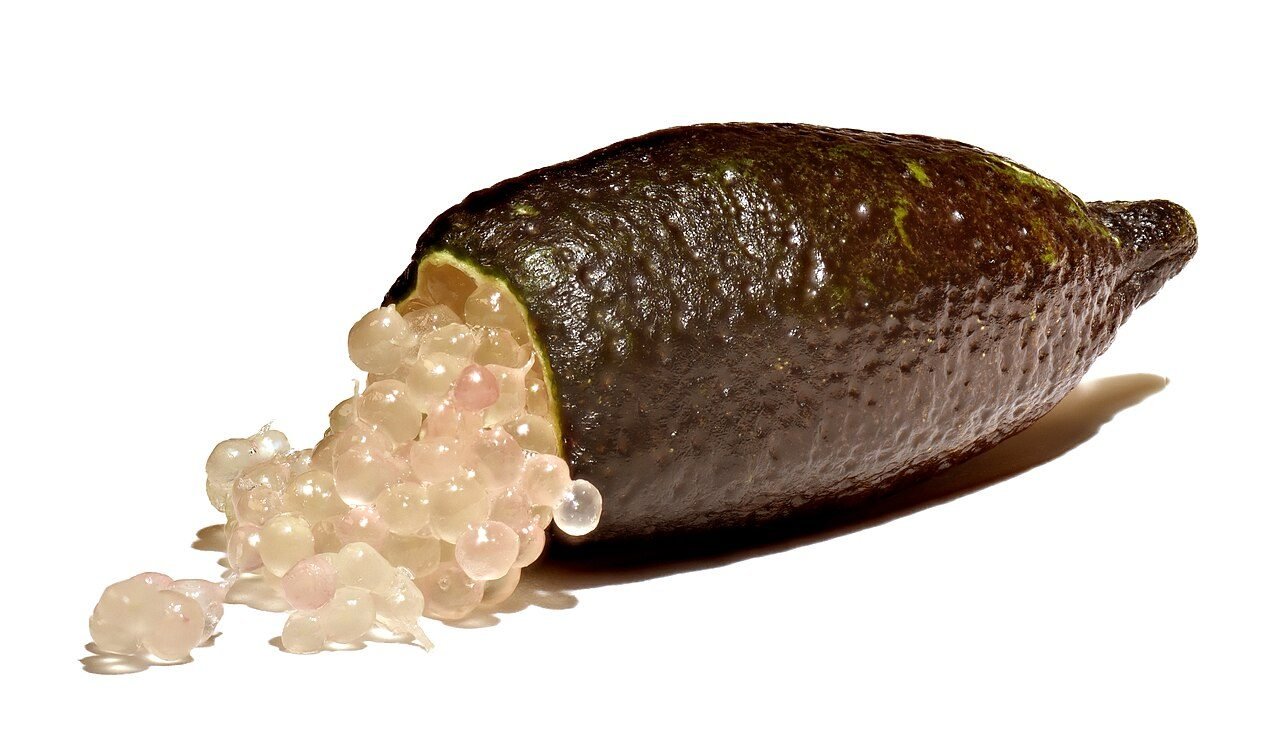
    Tastes like: a lime that’s been broken into tiny pearls. Inside the skin are tiny balls of flesh that burst with a sour and tart tang. The flesh can be pink/red or yellow/green.

    Where it’s from: the finger lime (Citrus australasica) grows in the rainforests of the border ranges of south-east Queensland and northern New South Wales.

    Good gifts: frozen or preserved finger lime pearls, finger lime marmalade, or a finger lime gin-and-tonic garnish kit for the cocktail-maker. Fresh fruit is a gift for someone close by, not one to post.

    Kakadu plum

    Tastes like: check the seller’s own description. As a gift, we think it works best in jams, chutneys and sauces, where it’s balanced with sugar or spice.

    Good gifts: Kakadu plum jam, chutney or a fruit-based condiment.

    Good to know: Kakadu plum is mostly gathered from the wild rather than farmed. The Victorian Traditional Owner strategy reported by Food & Drink Business says that while most native species now come from cultivated harvests, wild harvest remains the dominant source for mountain pepper, bush tomato and Kakadu plum. That makes who’s harvesting it, and on whose Country, a fair question to ask.

    Who benefits? The bit most gift guides skip

    Native foods are having a moment, and there’s money in it. The University of Sydney estimated the bush food industry was worth $81.5 million in 2019–20, according to SBS News. But in the same story, Koori chef Chris Jordan says: “Less than 3 per cent of Australia’s bush food industry is Aboriginal and Torres Strait Islander owned, and I think that really needs to shift.”

    That’s not only a business issue. At the first National Indigenous Bushfood Symposium in 2019, participants issued a statement that said, in part: “Our Indigenous Knowledge, plants and animals have ended up in supermarkets, databases and research projects without our consent or participation.”

    Since then, Indigenous-led organisations have stepped up. One outcome of the symposium was the First Nations Bushfood and Botanical Alliance Australia, which Food & Drink Business describes as “the sector’s first national, Indigenous-controlled bushfoods industry body.” In Victoria, Traditional Owners have released a strategy to restore their leadership of the state’s native foods and botanicals industry.

    There’s also the problem of fakes. A SmartCompany piece on the export boom warns that counterfeit bushfoods are appearing on Asian e-commerce platforms, “often suspiciously vague about source and species.”

    How to choose a brand that benefits Traditional Owners

    Use these checks on any native-food gift, from a market stall to a big online store.

    1. Who owns the business? Look for a clear statement on the brand’s own website that it is Aboriginal- or Torres Strait Islander-owned, and by whom. “Inspired by” or “celebrating” isn’t the same thing.
    2. Is it in a verified directory? SBS Food points readers to Supply Nation, Trading Blak, Bushfood Shop and the First Nations Bushfood and Botanical Alliance Australia for finding Aboriginal food businesses.
    3. Where does the ingredient come from? Good sellers name the species, the region and whether it’s wild-harvested or farmed. For wild-harvested ingredients such as Kakadu plum, ask who harvests it and with whose permission.
    4. If it isn’t Indigenous-owned, how does it share the benefit? If a brand says it buys from Indigenous growers or harvesters, or works with a Traditional Owner group, it should be able to name them. If it can’t, be cautious.
    5. Be wary of vague labels. No species, no region and no maker is a red flag, especially from overseas marketplaces.
    6. Skip the health claims. A brand that leans heavily on “superfood” claims is selling you the claim, not the flavour.

    Giving them overseas

    Dried, sealed, commercially packaged products (tea, ground wattleseed, jars of jam) are generally easier to post than fresh fruit, but every country has its own rules on plant products. Read our guide to sending Aussie food overseas before you post, and check the Australia Post Christmas cut-off dates 2026.

    If you want a native-flavour gift that never has to go through customs, a candle or hand wash scented with lemon myrtle or eucalyptus is an easy swap. Our Christmas gifts for Aussie expats guide has more ideas.

    Gift box ideas

    • For the tea drinker: lemon myrtle tea and a native-botanical tea towel.
    • For the baker: roasted ground wattleseed and a handwritten recipe for wattleseed shortbread.
    • For the cook: finger lime pearls (if they live nearby) or a Kakadu plum chutney.
    • For the curious: a little sampler with one of each, and a card explaining whose Country each one comes from.

    More from Gumnutly

    Written by our editors. Tasting notes are the linked sources’ own. No health or nutrition claims are made or implied. Last checked: 31 October 2026.

  • How to buy First Nations art and gifts ethically

    How to buy First Nations art and gifts ethically

    Heads up: Gumnutly is reader-supported. Some links on this page are, or may become, affiliate links. If you buy through them we may earn a commission, at no extra cost to you. How we make money

    A painting, print, scarf or set of placemats by an Aboriginal or Torres Strait Islander artist can be one of the most meaningful gifts you’ll ever give, whether it’s for someone at home or a friend overseas. It can also be one of the easiest to get wrong. Some “Aboriginal art” souvenirs have no artist behind them at all, and some sales leave the artist with very little.

    This guide is about how to buy well. It’s built on advice from the Indigenous Art Code and the Arts Law Centre of Australia, and it doesn’t push any particular shop.

    How we put this together

    • We follow the experts. The advice here comes from the Indigenous Art Code (a voluntary code of conduct for dealers) and the Arts Law Centre of Australia. We quote them and link them.
    • No products named. We haven’t independently verified any specific product’s licensing or ownership, so we don’t recommend particular items. When we do, it’ll be because the seller’s Code membership or licence is confirmed.
    • No “Aboriginal-style”. We never feature art or merchandise that doesn’t name a real artist.
    • Respect over shopping. Art carries culture and story. Buying it fairly is about the artist, not just the purchase.

    Start with the Indigenous Art Code

    The Indigenous Art Code (IartC) works with its members “to support fair, transparent and ethical trade with Aboriginal and Torres Strait Islander visual artists”. The Arts Law Centre describes it as “a voluntary code of ethical behaviour for art dealers, galleries and art centres selling Aboriginal or Torres Strait Islander art.”

    The Code’s buying advice starts simply: look for and buy from members. It says Code Signatory members “must adhere to, and demonstrate a commitment to, upholding the ethical standards laid out in the Code.”

    How to check: the Code’s website has a member search, so you can look up a gallery, shop or art centre before you buy. It’s worth knowing that many artists are members of Aboriginal and Torres Strait Islander-owned art centres, and many others work independently, according to the Code. The Code itself says it “does not suggest that purchasing from any single source is superior to another”. Instead, it encourages you to learn about each dealer’s business model and how that shapes its relationship with the artist.

    Ask three questions

    The Indigenous Art Code suggests three questions to start with, wherever and however you buy (in person or online):

    1. Who is the artist?
    2. Where is the artist from?
    3. How does the artist get paid?

    It suggests a few more, which are especially useful for gifts:

    • If it’s a reproduction (homewares and textiles, for example), how are royalties or licensing fees paid to the artist?
    • Is there a licensing agreement in place with the artist?
    • Is the business a member of the Indigenous Art Code?
    • Is the work on consignment, or does the seller own it outright?

    That last one matters more than it sounds. The Code explains that under consignment, the artist still owns the work, and the dealer pays them an agreed percentage of the retail price once it sells. If the dealer owns the artwork, the artist has less control, or often none, over the price it’s sold for.

    The Code says ethical dealers are usually open about their business models and happy to answer questions about the artist and their community, how the dealer sources art and pays artists, and how much of the sale price goes to the artist.

    Certificates of authenticity: useful, but not proof

    A certificate is something you’ll often be offered, especially for an original work.

    According to the Arts Law Centre, a Certificate of Authenticity is “a record of an artwork and its creator to ensure that it is an authentic artwork made by an Aboriginal or Torres Strait Islander person.” Certificates usually include the artist’s name, year of birth, artwork name, size, medium, and a photograph of the artist and of the artwork. Most Aboriginal and Torres Strait Islander art centres supply certificates for their members’ works.

    But Arts Law is clear about the limits. It says there’s currently no mandatory system regulating how works by Aboriginal or Torres Strait Islander artists are authenticated, and lists these problems with certificates:

    • They do not guarantee that the work is authentic.
    • Some commercial galleries have attached inaccurate certificates.
    • They can be created by anyone.

    Look for a Code Certificate

    A stronger option is the Indigenous Art Code Certificate. Arts Law explains that any Code member acting as an agent for an Aboriginal or Torres Strait Islander artist must provide a signed Code Certificate with the sale of an artwork, for sales over $250. It must include:

    • that it’s an “Indigenous Art Code Certificate”
    • the artist’s name
    • where and when the work was made
    • the work’s size, medium and title (as given by the artist)
    • the dealer’s identity and confirmation that they’re a Signatory to the Code
    • the dealer’s signed declaration that the information is accurate.

    Arts Law says it’s a breach of the Code for a dealer to supply a certificate that isn’t legitimate. The certificate can also go with the work each time it’s resold.

    Gifts and merchandise: licensed reproductions

    Not every gift needs to be an original painting. Tea towels, scarves, cushions, mugs, jewellery and stationery can carry an artist’s design, and a fairly licensed product can be a lovely, postable gift.

    The key is the licence. The Indigenous Art Code suggests asking how royalties or licensing fees are paid to the artist, and whether a licensing agreement is in place. A good seller should be able to tell you:

    • the artist’s name and, ideally, their community or Country
    • that the design is licensed from the artist (or their art centre)
    • how the artist is paid, such as a royalty on each sale or a licence fee.

    The Code specifically warns about merchandise “such as bags, scarves, jewellery, homewares and artefacts” that’s manufactured overseas and doesn’t attribute an artist. It says these items “are cause for concern”.

    Red flags

    The Indigenous Art Code lists these signs of possible unethical dealing:

    • No artist named. It says an artwork “should always be accompanied by clear acknowledgement of the artist/s who created it”, whether it’s an original or a reproduction.
    • Photos as proof. A dealer trying to prove provenance with photos of artists holding the work, rather than official certificates of authenticity.
    • A big discount to close the sale. The Code says ethical galleries usually return a consistent percentage to the art centre and the artist, and a significant discount raises the question of who bears the price cut: the dealer or the artist.
    • Evasive answers. If a dealer won’t be open with you about how they source art or their relationship with the artist, the Code says “it may be a signal to walk away.”

    To these we’d add one of our own: anything sold as “Aboriginal-style” or “Aboriginal-inspired” with no named artist. Arts Law notes that when fake Aboriginal or Torres Strait Islander art is sold, the profits don’t go to an Aboriginal or Torres Strait Islander artist or community.

    If you think you’ve bought a fake

    Arts Law says that if you bought a work with a certificate or statement of authenticity and later found it was fake, you can take legal action against whoever supplied the certificate, for example under the Australian Consumer Law for misleading and deceptive conduct. If the false certificate claims to be a Code Certificate, the dealer can also be reported to the Code. Read Arts Law’s full information sheet, and get proper legal advice if you need it.

    Buying for someone overseas

    • Prints and works on paper usually post flat or in a tube, so they’re easier to send than stretched canvas.
    • Keep the paperwork. Post the certificate, or a copy, with the work so the recipient has the provenance.
    • Check customs at the other end for any work made with natural materials such as wood, seeds or feathers. Our sending food overseas guide explains how to check another country’s rules, and the same official agencies cover plant and animal products.
    • Post early. See our Australia Post Christmas cut-off dates 2026.

    More from Gumnutly

    Written by our editors. This is general information, not legal advice. Guidance is the Indigenous Art Code’s and Arts Law Centre of Australia’s own, linked above. Last checked: 31 October 2026.
  • Australian-made gifts from Margaret River: wine, chocolate, cheese, olive oil

    Australian-made gifts from Margaret River: wine, chocolate, cheese, olive oil

    Heads up: Gumnutly is reader-supported. Some links on this page are, or may become, affiliate links. If you buy through them we may earn a commission, at no extra cost to you. How we make money

    Margaret River is one of the easiest places in Australia to buy a gift with a story. The region is packed with producers who make things on site and sell them at the door: wine, of course, but also chocolate, cheese, olive oil, coffee and nougat. The best part is that you usually get to taste before you buy.

    Here’s what to look for, where to find it, and what will survive the trip home.

    How we pick

    • Made in the region, by the producer’s own account. We only say a product is made in Margaret River when the producer says so, and we link to it.
    • You can buy it at the source. Most of these producers have a cellar door, shop or tasting room you can visit. Check opening hours on their sites.
    • Travel-tested advice. We flag what’s fragile, what needs refrigeration and what’s tricky to send overseas.
    • No prices, no invented tasting notes. Taste it yourself; that’s half the fun.

    Wine

    Margaret River is one of Australia’s best-known wine regions, and it’s particularly famous for Cabernet Sauvignon and Chardonnay. Vasse Felix, established in 1967, calls itself the region’s founding wine estate. Today there are dozens of cellar doors, from big names to tiny family operations.

    Gift ideas: – A bottle you tasted and loved at the cellar door, which comes with a story. – A mixed half-dozen from one winery, packed in their own shipper. – Something from a smaller producer that isn’t easy to find in bottle shops elsewhere.

    Getting it home: many wineries will ship within Australia, which saves you carrying bottles. Sending wine overseas is more complicated: some countries restrict alcohol imports or charge duty, and many couriers have rules. Ask the winery whether they ship to your destination. If you’re flying, check your airline’s limits on alcohol in checked luggage.

    For which wineries to visit, and how to do it safely, see Margaret River wineries worth the drive.

    Chocolate

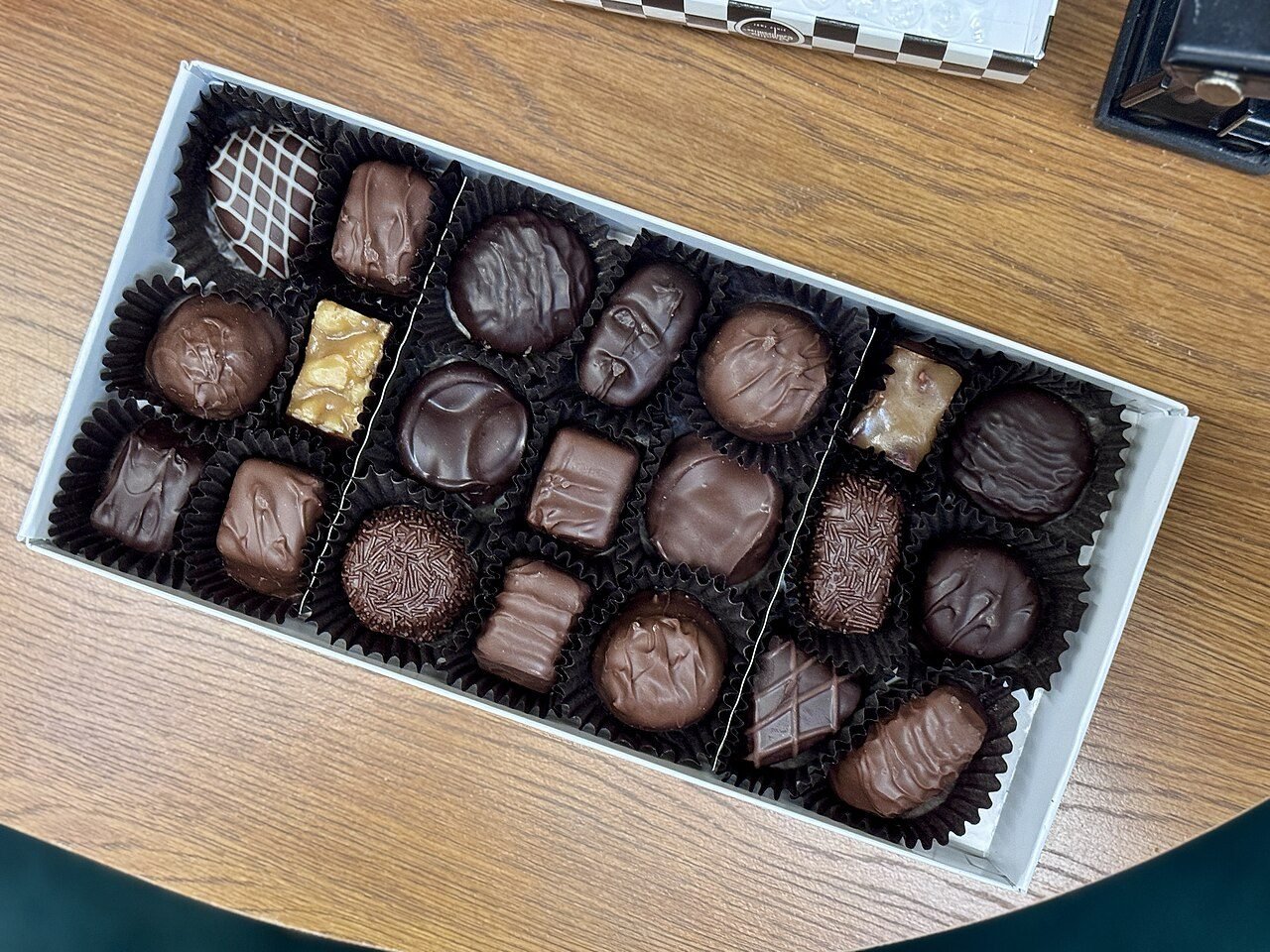
    Margaret River Chocolate Company has a large chocolate shop at Metricup, a popular stop for families, and it says entry and chocolate tastings are free. Chocolate is a crowd-pleaser and travels well if you keep it out of the heat.

    Tip: on a hot day, don’t leave chocolate in the car while you do a winery lunch. Bring a small cooler bag.

    Margaret River Chocolate Company

    Cheese

    Margaret River Dairy Company has made cheese and yoghurt at Metricup for years, but the business has changed hands recently, so check whether its shop is open before you plan a stop.

    Getting it home: cheese needs to stay cold, so bring an esky or a cooler bag with ice packs for the drive. It’s usually not a good gift for overseas: most countries restrict dairy in personal luggage and parcels. Enjoy it here, or take it home within Australia.

    Olive oil

    Olive groves grow well in the region’s Mediterranean climate, and several producers press their own oil. Olio Bello, near Cowaramup, is one of the best known, and makes its oils on its own property.

    Getting it home: olive oil is heavy and comes in glass, so wrap it well. Tins travel better than bottles if they’re on offer. For overseas gifts, check the destination’s rules; commercially sealed oil is often allowed, but not always.

    More local finds

    • Coffee: local roasters sell beans you can take home.
    • Nougat: Bettenay’s, a family-run estate, makes nougat as well as wine.
    • Preserves, honey and sauces: the Margaret River Farmers’ Market, every Saturday morning, is the best place for small-batch producers.
    • Art and ceramics: galleries in town and around the region sell work by local artists. It’s lighter to carry than wine, and it lasts longer.

    A Margaret River gift hamper you can put together yourself

    Item Where Travels well?
    Bottle of Cabernet or Chardonnay Any cellar door Within Australia, yes; overseas, check
    Chocolate selection Chocolate company shop Yes, if kept cool
    Olive oil (tin if available) Olive grove shop Yes, packed well
    Coffee beans Local roaster Yes
    Nougat Nougat company shop Yes
    Cheese Dairy tasting outlet Only with an esky; not for overseas

    Where to stay while you shop

    If you’re planning a producer-hopping weekend, stay central so you’re not driving long distances. River Reach Chalet is a two-bedroom bush chalet about two minutes’ walk from the river and a short drive from town.

    Disclosure: River Reach Chalet was previously our founder’s business, and our founder still has a financial interest in it.

    It sleeps four, so it suits two couples sharing a weekend of tastings, and direct bookings go through Margaret River Holiday Houses. See where to stay in Margaret River for more options in town, bush and coast.

    Can’t get there? Shop online

    Many of these producers sell online and ship within Australia. Look for the “shop” link on their websites. Buying direct means the producer gets the full price.

    More from Gumnutly

    Written by our editors. Origin claims are the producers’ own, linked where stated. Last checked: 31 October 2026.
  • Christmas gifts for Aussie expats missing home

    Christmas gifts for Aussie expats missing home

    Heads up: Gumnutly is reader-supported. Some links on this page are, or may become, affiliate links. If you buy through them we may earn a commission, at no extra cost to you. How we make money

    There’s a particular kind of homesickness that hits Aussies overseas in December. It’s dark at 4pm, everyone’s talking about mulled wine, and somewhere back home the family is arguing about who brings the pav.

    You can’t post them a beach. You can post a box that tastes and smells like home, though, and that gets surprisingly close. Here’s what goes in it, and how to get it there before Christmas.

    How we pick

    • Things expats actually ask for. Familiar brands and small comforts, not novelty souvenirs.
    • Origin from the maker. Where we say something is made in Australia, it’s the maker’s claim and we link to it. Some of the most-missed snacks are made by big companies, and where they’re made can change, so check the pack.
    • Posts well. Shelf-stable, not too fragile, and light enough that postage doesn’t cost more than the gift.
    • Customs flagged. Food parcels are the most likely to be held up, so we tell you what to check.
    • No prices. They change. Check the merchant.

    The care-package classics

    These are the ones that make people go quiet when they open the box.

    Tim Tams

    Arnott’s Tim Tams are the gift every expat asks for, and often can’t get, or only get at “imported goods” prices. Pack a few varieties. They’re fragile, so wrap them in a tea towel (which doubles as a second gift).

    Search Tim Tams on Amazon.com.au

    Vegemite

    Overseas friends may not get it, but your expat will. Vegemite is made in Port Melbourne, according to its maker. A jar weighs little and keeps for ages, and it’s one of the most-requested items in any care package.

    Search Vegemite on Amazon.com.au

    Shapes, Twisties and the snack aisle

    The savoury snacks that never quite exist overseas: Arnott’s Shapes, a bag of Twisties and the like. They’re light but bulky, so add them as space fillers around heavier items.

    Search Shapes on Amazon.com.au

    Lollies from home

    Darrell Lea liquorice, Minties, Fantales, Allen’s Snakes Alive… the exact list depends on which bit of the lolly aisle they grew up on. Ask a sibling. They’ll know.

    See Darrell Lea · Search Australian lollies on Amazon.com.au

    Haigh’s Frogs and Christmas chocolates

    For something that feels more like a present than a snack, Haigh’s in Adelaide makes chocolate frogs, Christmas ranges and gift boxes. It says its chocolates are made bean-to-bar in South Australia. Its online store delivers within Australia only, so plan to post it yourself.

    See Haigh’s

    The smells of home

    Smell is the sneaky one. The right scent can put someone straight back on a verandah in summer.

    A eucalyptus or native-botanical candle

    Look for small Australian candle makers working with eucalyptus, lemon myrtle, wattle or Kakadu plum scents. Candles are light, but pack them well, and avoid posting into a heatwave.

    Browse eucalyptus candles on Etsy

    Koala Eco hand wash or room spray

    Koala Eco is an Australian brand that uses essential oils, such as eucalyptus, lemon myrtle and peppermint, in hand washes, cleaners and room sprays. It says its Australian products are made locally using Australian essential oils. Liquids need careful packing, and some carriers restrict aerosols, so check before posting.

    See Koala Eco

    Lucas’ Papaw Ointment

    Not a scent exactly, but that red tube is pure childhood for a lot of Aussies. It’s small, light and cheap to add, and its maker says it’s made in Queensland.

    See Lucas’ Papaw

    Something to keep

    Food gets eaten. These hang around.

    • A print of their home town or a local landscape by an Australian artist. It posts flat, it’s personal, and it goes on the wall. Browse Australian landscape prints on Etsy
    • A 2027 calendar of Australian photography or native flora. Twelve months of home. Browse calendars on Etsy
    • A tea towel or apron with native botanicals from a small Australian maker. It’s light, useful, and good padding for the Tim Tams. Browse tea towels on Etsy
    • Christmas bonbons with Aussie-themed jokes. Check that the maker says they’re shipping-safe, because crackers contain a small snap strip that some carriers restrict.

    How to get it there in time

    1. Post early. Earlier than you think. Australia Post publishes Christmas posting dates for each country every year. Find them on Australia Post’s Christmas page and work backwards. We’ve put the 2026 dates in one place: Australia Post Christmas cut-off dates 2026.
    2. Check the destination’s food rules. The UK, the US, Canada, New Zealand and EU countries each have their own rules on food in personal parcels. Commercially packaged, shelf-stable snacks are usually the safest bet, while meat, dairy, honey and fresh produce are usually not. Check the official customs site for the country.
    3. Fill in the customs form properly. List each item (“chocolate biscuits, commercially packaged, 3 packets”) instead of just writing “gift”.
    4. Mind the value. Some countries charge import duty or tax on gifts above a certain value. Check the destination’s threshold.
    5. Order from Australian sellers that ship internationally. It can be simpler than packing a box yourself. Check the seller’s shipping page for Christmas cut-off dates.
    6. Or go local at their end. Many big cities overseas have shops selling Australian groceries. A gift card or a click-and-collect order from one can beat international postage on cost and speed.

    The one thing that matters most

    A handwritten card. Put it on top. It’ll get read before the Tim Tams get opened, and that’s saying something.

    More from Gumnutly

    Written by our editors. Brand origin claims are the makers’ own, linked where stated. Last checked: 31 October 2026.
  • Best Australian-made gifts to send overseas

    Best Australian-made gifts to send overseas

    Heads up: Gumnutly is reader-supported. Some links on this page are, or may become, affiliate links. If you buy through them we may earn a commission, at no extra cost to you. How we make money

    Sending a bit of Australia to someone overseas is lovely right up until you’re standing at the post office wondering whether the honey will be seized, whether the chocolate will melt, and whether the whole thing is worth the postage.

    This guide is for the gifts that are worth it. Each one comes from a maker that says it makes the product in Australia, and we link to where they say so. We’ve also flagged the ones that might need a customs check at the other end.

    How we pick

    • The maker’s claim, linked. We only describe something as Australian-made when the maker or merchant says so, and we link to that statement so you can check it. If it’s unclear, we leave it out.
    • Built for the post. Things that are light or tough, and that keep well.
    • Customs-aware. We flag food, honey, wood and animal-fibre products that some countries restrict.
    • Feels like home. Gifts with a real story behind them, not just a kangaroo printed on a tea towel.
    • No prices. Postage and prices change, so check the merchant before you buy.

    Quick picks

    Gift Best for Customs check? Where to look
    R.M. Williams boots Someone who’ll wear them for years Usually fine (leather; check if unsure) R.M. Williams
    Akubra hat The outdoorsy one, or the homesick one Check: rabbit-fur felt Akubra
    Haigh’s chocolates Anyone with a sweet tooth Food: check destination Haigh’s
    Australian honey Foodies and tea drinkers Often restricted: check first Etsy
    Lucas’ Papaw Ointment Expats who grew up with it Usually fine (cosmetic) Lucas’ Papaw
    Print by an Australian artist Anyone, at any budget Fine Etsy
    Merino knitwear Cold-climate friends Usually fine Etsy

    The picks

    R.M. Williams boots

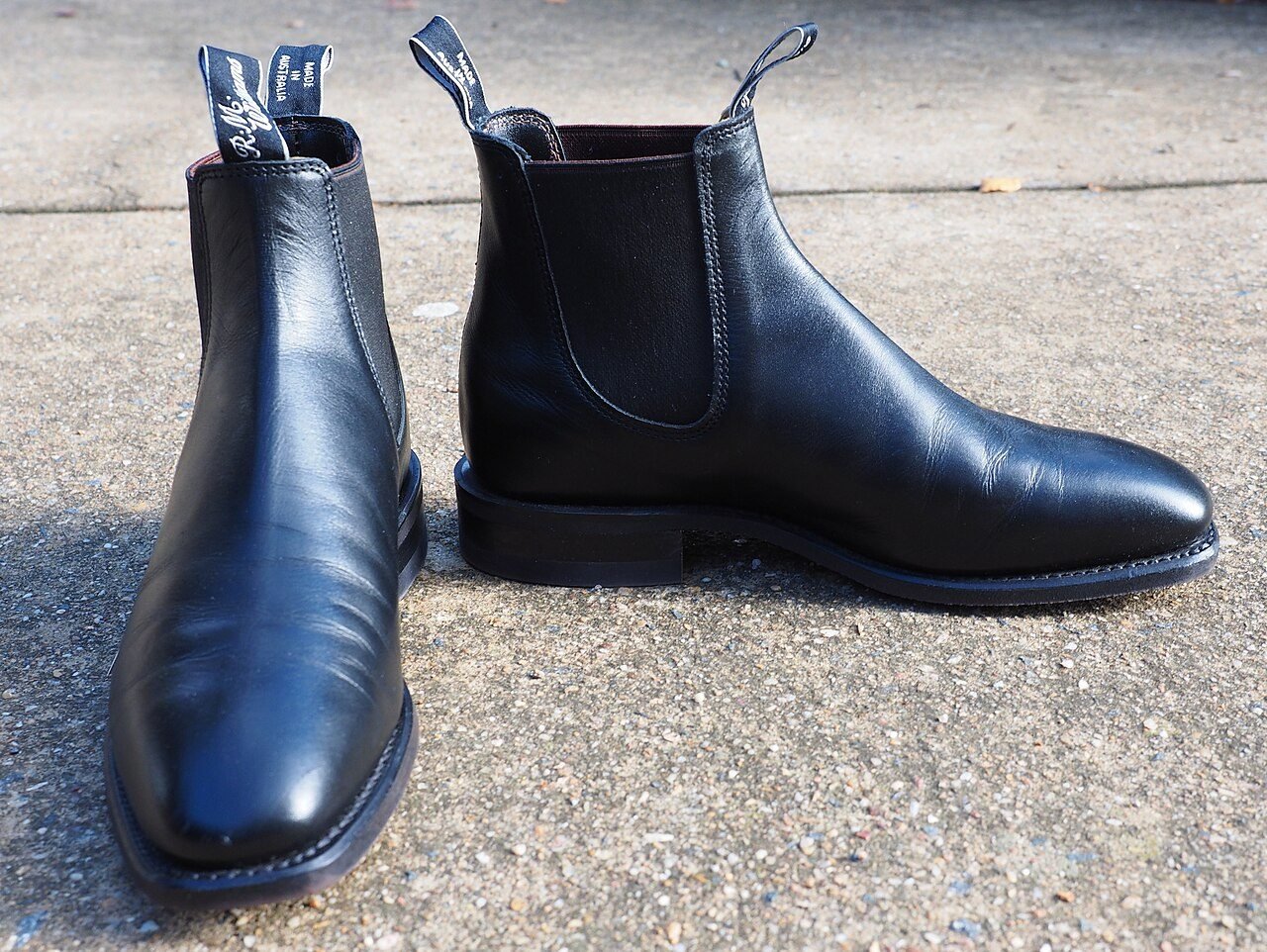
    Black leather elastic-sided boots
    Photo: Nick-D / Wikimedia Commons, CC BY-SA 4.0

    If you want one gift that says “Australia” without a single koala on it, it’s a pair of elastic-sided boots from R.M. Williams. The company traces its bootmaking back to the early 1930s. Check the product page on its official site for where your pair is made.

    Why it works overseas: boots are tough, they don’t spoil and they post well in their box. Sizing is the risk, so buy a gift card or check their size guide together over a video call.

    Good to know: returns from overseas can be slow and costly, so check R.M. Williams’ international shipping and returns pages before you order.

    See boots at R.M. Williams

    An Akubra hat

    Akubra says it makes its hats in Kempsey, on the New South Wales mid-north coast, from fur felt. It’s a gift that gets worn, gets battered and somehow looks better for it.

    Customs check: fur felt is an animal product. Most countries are fine with a finished hat, but some have rules on animal-derived goods, so check before posting to places with strict biosecurity.

    Tip: hat sizes vary more than people expect. If you can, find out their head measurement in centimetres before you buy.

    See hats at Akubra

    Haigh’s chocolates

    Box of assorted chocolates
    Photo: Missvain / Wikimedia Commons, CC0

    Haigh’s is an Adelaide chocolate maker that has been going for more than a century. It says its chocolates have been made bean-to-bar in South Australia since 1915. The Frogs are the classic. A mixed box is a safer bet if you don’t know their taste.

    Getting it there: chocolate and hot weather don’t mix. Haigh’s online store delivers within Australia only, so you’ll need to post it yourself. If you’re posting it yourself, avoid sending into a northern summer heatwave, and use express post.

    Customs check: it’s food. Most countries allow commercially packaged chocolate, but check the destination country’s rules.

    See chocolates at Haigh’s

    Australian honey

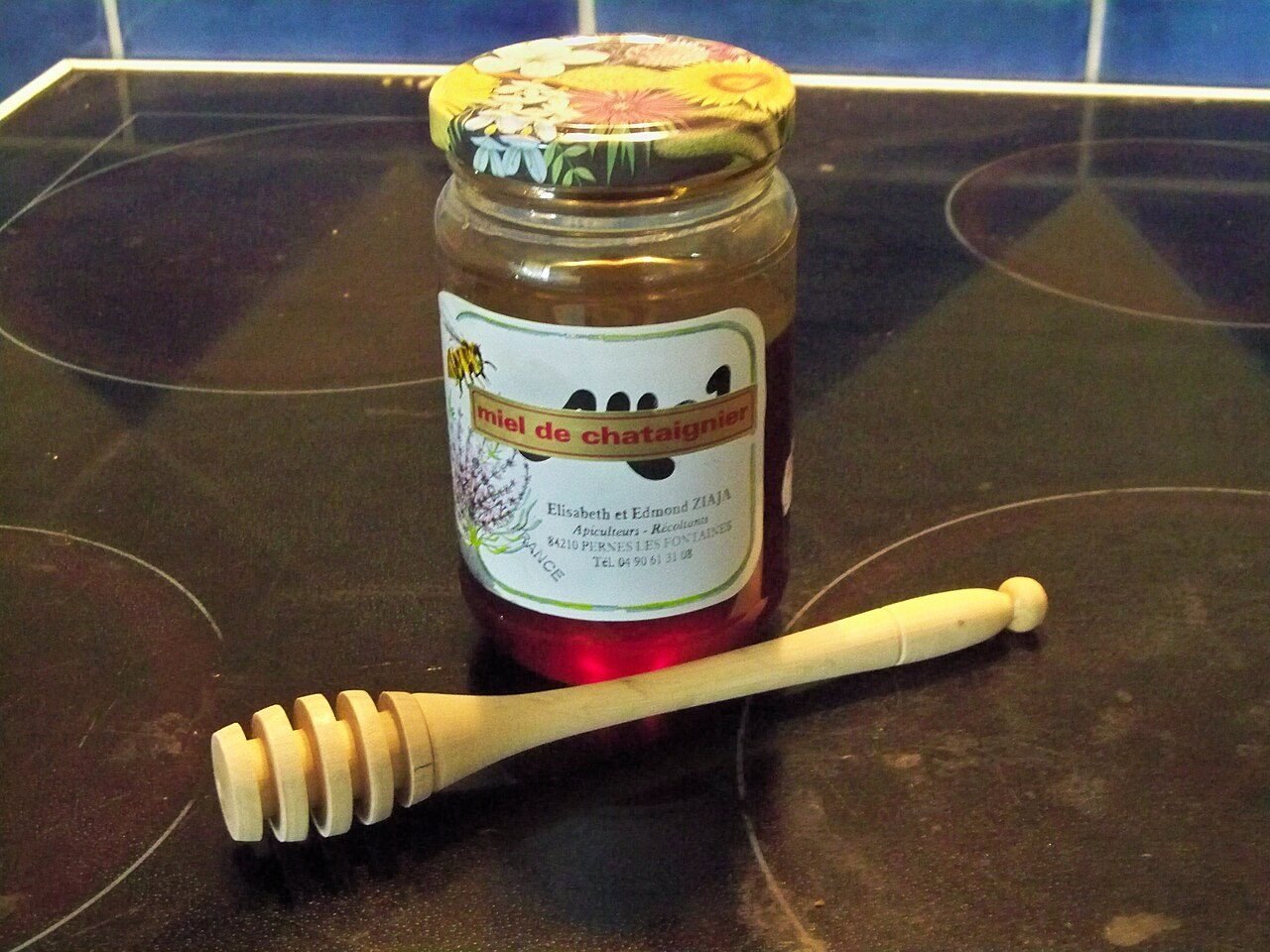
    Pot of honey with a wooden honey dipper
    Photo: Véronique PAGNIER / Wikimedia Commons, Public domain

    Australia has honeys you won’t find in many other places: leatherwood from Tasmania’s rainforests, plus a long list of eucalypt honeys such as yellow box, ironbark and jarrah. A small jar from an Australian beekeeper is a beautiful thing to send, if it’s allowed in.

    Customs check (important): honey is one of the most restricted foods worldwide. Several countries ban or limit it in personal parcels. Check the destination’s biosecurity rules first. If it’s banned, a beeswax candle or wrap from an Australian maker is a good substitute.

    Browse Australian honey on Etsy · Search leatherwood honey on Amazon.com.au

    Whichever seller you choose, check the listing says the honey is Australian and where it was packed.

    Lucas’ Papaw Ointment

    Ask an Aussie overseas what they miss from the bathroom cabinet, and there’s a fair chance it’s the red tube. Lucas’ Papaw Remedies has been making its ointment for decades, and says it’s made at Acacia Ridge, Queensland. It’s small, light and cheap to post, so it’s an easy add-on to a bigger parcel.

    We’re not going to tell you what it’s good for: read the label and the maker’s own information. It’s here because it’s a familiar bit of home.

    See Lucas’ Papaw · Search Amazon.com.au

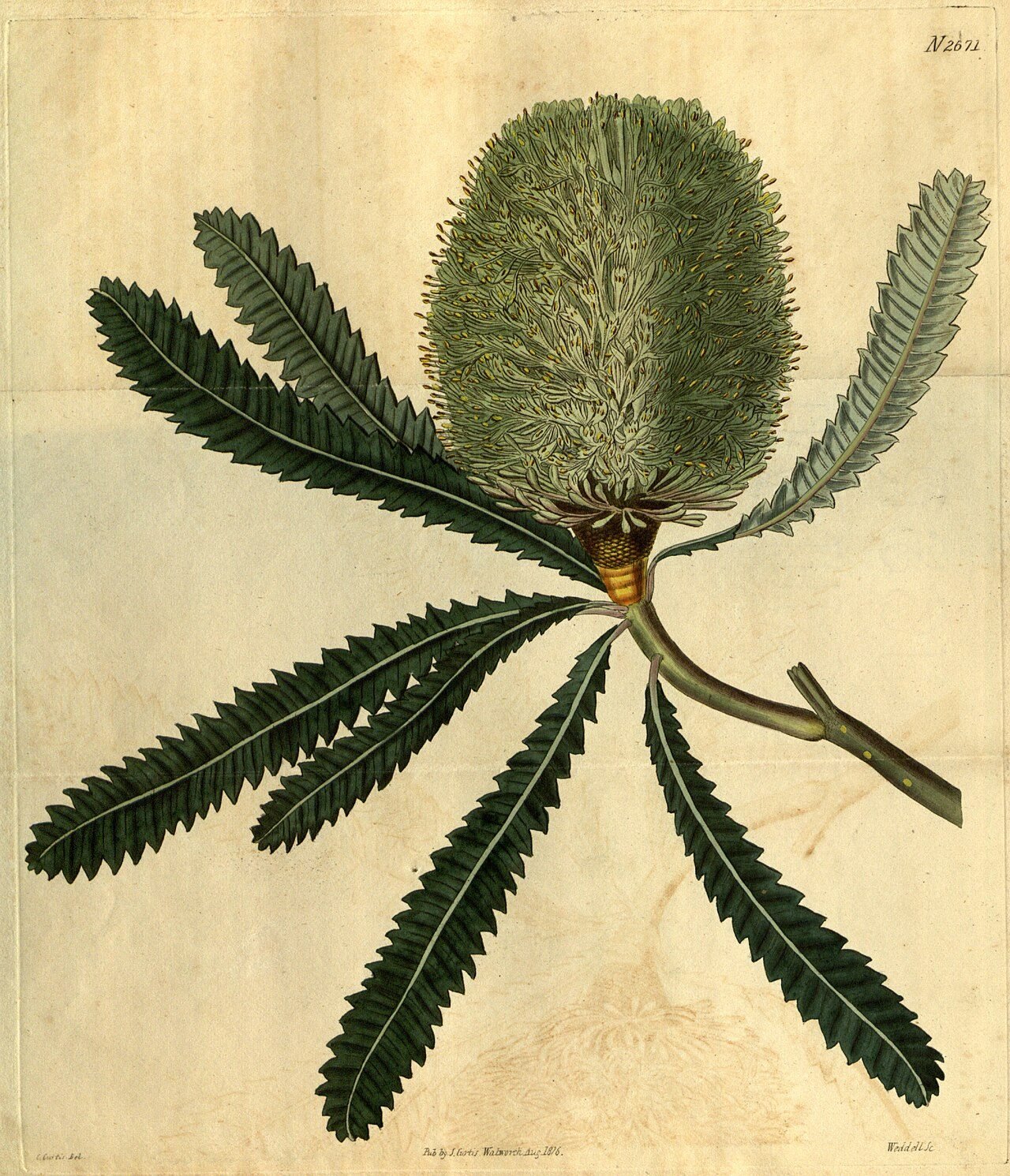
    A print by an Australian artist

    Botanical illustration of Banksia aemula
    Photo: William J. Hooker / Wikimedia Commons, Public domain

    Paper is the easiest thing in the world to post. A print of banksia, waratah, wattle or a favourite stretch of coast, by an Australian illustrator, takes a bit of home and puts it on their wall. Many artists sell unframed prints that post flat or in a tube.

    Look for: sellers who say they’re based in Australia and print locally, and who describe the paper and inks. Avoid shops reselling generic stock art.

    Indigenous art: if you’d like to give a work by an Aboriginal or Torres Strait Islander artist, buy from an art centre or a dealer that signs up to the Indigenous Art Code, so you know the artist was treated fairly. Don’t buy “Aboriginal-style” designs with no named artist.

    Browse Australian botanical prints on Etsy

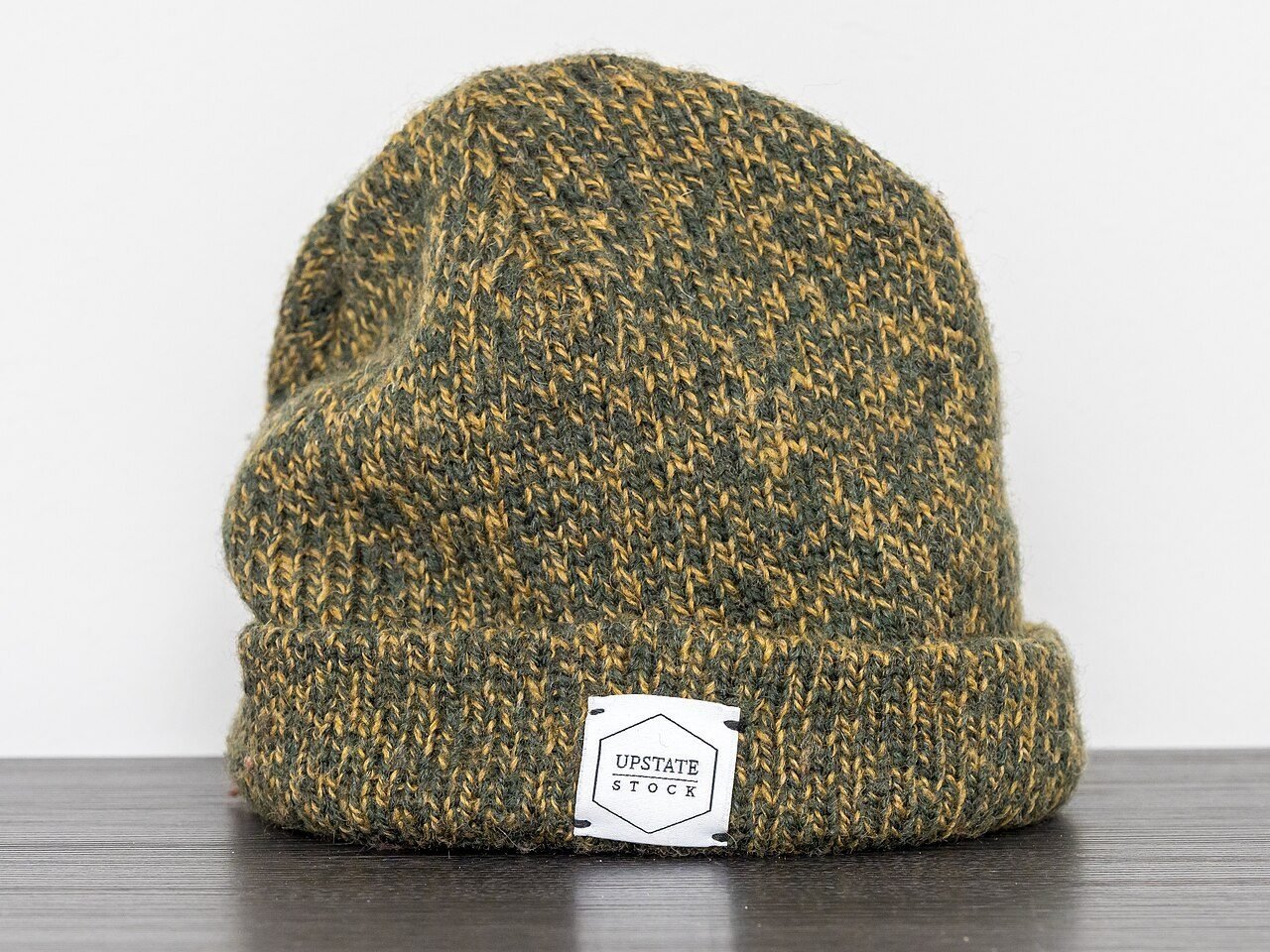
    Merino knitwear

    Knitted wool beanie
    Photo: ajay_suresh / Wikimedia Commons, CC BY 2.0

    Australia is famous for merino wool, though most of it is exported raw for processing overseas: Australian Wool Innovation reported that 96.5% (by weight) of the 2023/24 wool exports left in greasy, raw form. If you want a merino beanie or scarf that was actually made here, look for small knitters who state where the wool was grown and where the item was knitted. It’s warm, light, and flat enough to post cheaply.

    Browse handmade merino on Etsy

    Posting tips that save heartache

    1. Check the destination’s rules first. Search “[country] customs personal parcel food” or go to the country’s biosecurity or customs authority website. Food, honey, seeds, wood and animal products are the usual trouble spots.
    2. Declare honestly. Write a clear description on the customs form, such as “chocolate, commercially packaged” rather than just “gift”.
    3. Use tracking. Australia Post says its International Standard service includes tracking.
    4. Think about the season at the other end. Chocolate posted into a Northern Hemisphere summer, or honey into a freezing sorting centre, may not arrive the way you sent it.
    5. Order direct where you can. Many makers ship internationally themselves, and they know how to pack their own products.

    More from Gumnutly

    Written by our editors. Origin claims are the makers’ own, linked where stated. Last checked: 31 October 2026.
  • Australian souvenirs that aren’t tacky

    Australian souvenirs that aren’t tacky

    Heads up: Gumnutly is reader-supported. Some links on this page are, or may become, affiliate links. If you buy through them we may earn a commission, at no extra cost to you. How we make money

    We’ve all seen them: the boomerang that’s never been near a boomerang maker, the kangaroo-crossing sign fridge magnet, the “Australia” tea towel with a koala on it that turns out to have been made a long way from Australia.

    There’s nothing wrong with a bit of kitsch. But if you want something you’ll still like in ten years, and that put money in the pocket of someone who actually lives here, here’s where to look.

    How we pick

    • Made by someone you can name. A maker, a farm, an art centre or a workshop, rather than an anonymous import.
    • Origin from the maker. If we say something is made in Australia, that’s the maker’s claim and we link to it. In a shop, read the label: “designed in Australia” is not the same as “made in Australia”.
    • Useful or beautiful. Ideally both.
    • Fits in a suitcase. And gets through customs at home, with the tricky items flagged.
    • Ethical where it matters, especially with Indigenous art.

    1. Something from a regional producer

    Food and drink from a specific place are some of the best souvenirs Australia has. Think wine from a cellar door, olive oil from a grove, honey from a local apiary, or chocolate or nougat from a small producer. You can taste where you’ve been.

    Buy at the source: cellar doors, farm gates and farmers’ markets. Ask the producer what travels well, and whether they ship overseas so you don’t have to carry it.

    Customs check: food and drink are the most restricted items for many countries. Check your home country’s rules before you buy, and check your airline’s rules for liquids and alcohol in luggage.

    Visiting the South West of WA? See our guide to gifts from Margaret River.

    2. Indigenous art, bought the right way

    Original work by an Aboriginal or Torres Strait Islander artist is one of the most meaningful things you can take home. It matters a lot how you buy it.

    • Buy from Aboriginal-owned art centres, or from galleries and dealers that are members of the Indigenous Art Code. The Code is a voluntary standard for fair and ethical trade with artists.
    • Look for the artist’s name, community and a certificate of authenticity from the art centre.
    • Central Australian art centres are supported by Desart, the peak body for Aboriginal art centres in the region, which is a good place to start researching.
    • Avoid “Aboriginal-style” souvenirs with no named artist. Many are not made by Aboriginal people, and buying them takes money and recognition away from those who are.

    3. A hat or boots that’ll outlast the trip

    A wide-brimmed felt hat or a pair of elastic-sided boots is a souvenir you’ll actually wear. Two long-standing Australian makers:

    Both are an investment. If you’re in a capital city, try them on in store before you buy.

    4. A print or original artwork from a local artist

    Every region in Australia has artists painting, printing and photographing its landscapes, from wildflowers and ocean pools to red dirt and rainforest. A print packs flat in your suitcase, and an original is something nobody else has. Try regional galleries, weekend markets and artist-run shops, or browse online before you go.

    Browse Australian landscape prints on Etsy

    5. Handmade ceramics

    A mug, a small bowl or a vase from a local potter is useful every day and reminds you of the trip every morning. Many regional towns have potters selling at markets or from their studios. Wrap pieces in clothes and pack them in the middle of your bag.

    Browse Australian handmade ceramics on Etsy

    6. Woodwork from Australian timbers

    Jarrah from WA, Huon pine from Tasmania and red gum from the south-east are beautiful timbers, and woodworkers turn them into bowls, boards and small boxes. Ask whether the timber is salvaged or recycled; many makers work with reclaimed wood.

    Customs check: some countries ask you to declare wooden items, and some want unfinished wood treated. Finished, sealed items are usually fine, but declare them if you’re asked.

    Browse jarrah woodwork on Etsy

    7. An opal, from a reputable dealer

    Australia produces most of the world’s precious opal (Geoscience Australia puts it at 95%), from fields such as Lightning Ridge in NSW and Coober Pedy in South Australia. Opal is a lovely souvenir, but it’s easy to get it wrong:

    • Learn the difference between solid opal, doublets and triplets. Doublets and triplets are thin slices of opal backed or capped with other materials. They’re fine if that’s what you want, but they should be clearly labelled and priced accordingly.
    • Buy from a dealer who gives a written description of what you’re buying.
    • If it’s a big purchase, ask whether they’re a member of an industry association.

    8. Skincare and soap with native botanicals

    Small makers use lemon myrtle, Kakadu plum, eucalyptus and other native ingredients in soaps, balms and candles. They’re light and packable, and they make good small gifts for people back home. Check the label for where it’s made, and watch liquid limits if you’re flying with carry-on only.

    Browse lemon myrtle soap on Etsy

    Quick guide: what to look for on the label

    Label says What it usually means
    “Made in Australia” Substantially transformed here, not just packed or finished off here
    “Product of Australia” All significant ingredients from Australia, and all or virtually all processing done here
    “Designed in Australia” Designed here; probably made somewhere else
    No origin stated Ask, or assume it’s imported

    This is a simplified summary. For the exact rules, see the ACCC’s guide to country-of-origin claims.

    Skip these

    • “Aboriginal-style” art with no named artist.
    • Anything made from protected wildlife.
    • Seeds, soil, or plant material for your garden back home. Most countries will confiscate them.
    • Shells, rocks and sand from national parks. Taking them is usually illegal, and it spoils it for the next person.

    More from Gumnutly

    Written by our editors. Origin claims are the makers’ own, linked where stated. Last checked: 31 October 2026.