
Heads up: Gumnutly is reader-supported. Some links on this page are affiliate links. If you buy through them we may earn a commission, at no extra cost to you. As an Amazon Associate we earn from qualifying purchases. How we make money
An Australian Christmas lunch is a different beast from the snowy version on the cards: it is hot, it is loud, and the prawns disappear before the ham is carved. This guide walks you through a summer menu with a native-flavour twist on every course, plus the make-ahead plan and the food safety basics that matter most when it is hot.
Quick answer: Build your Australian Christmas lunch around cold seafood, glazed ham, big salads and a pavlova with summer fruit. Add one native twist per course (lemon myrtle, finger lime, Davidson plum, wattleseed or macadamia), make what you can ahead, and keep cold food cold. Under the 2-hour/4-hour rule, food that has been out of the fridge for more than four hours in total should be thrown away.
How we put this together
- Researched, not a test kitchen: we did not cook this menu for the article.
- Facts checked on official and reputable sources on 18 November 2026 (listed under Sources).
- No brand paid us to be included.
- No prices, because they change daily.
What makes an Aussie Christmas lunch
Summer sets the rules. Dishes are served cold or at room temperature, the barbecue often does the heavy lifting, and the table is full of seafood, salads and fruit. Think prawns and oysters to start, glazed ham or a barbecued main, crisp salads, and a pavlova heaped with mangoes, cherries or stone fruit. Every family has its own spin, and that is half the fun.
For many families, Christmas lunch is also a chance to gather and celebrate the birth of Jesus together. Whatever your table looks like, the point is the people around it.
A sample summer menu with native twists
Here is a menu you can mix and match. Each course keeps a classic you already know and adds one native flavour.
| Course | Classic | Native twist | Make ahead? |
|---|---|---|---|
| Starter | Prawns with a lemon wedge | Finger lime pearls over oysters or prawns | Buy fresh; make the sauce ahead |
| Main | Glazed ham | Davidson plum in the glaze | Glaze the day before |
| Main (alternative) | Barbecued chicken or fish | Lemon myrtle rub | Marinate the night before |
| Salad | Potato or garden salad | Lemon myrtle dressing | Dressing ahead; toss at the last minute |
| Side | Roast veg or slaw | Toasted macadamias on top | Prep veg ahead |
| Dessert | Pavlova with summer fruit | Wattleseed in the cream | Base ahead; top just before serving |
The native flavours, briefly
- Lemon myrtle: a herb with a fresh lemon-lime flavour (SBS Food). Great in dressings, rubs and cream.
- Davidson plum: grows on palm-shaped trees and has a sharp, sour flavour (SBS Food). Cook it into a glaze or sauce to balance rich ham.
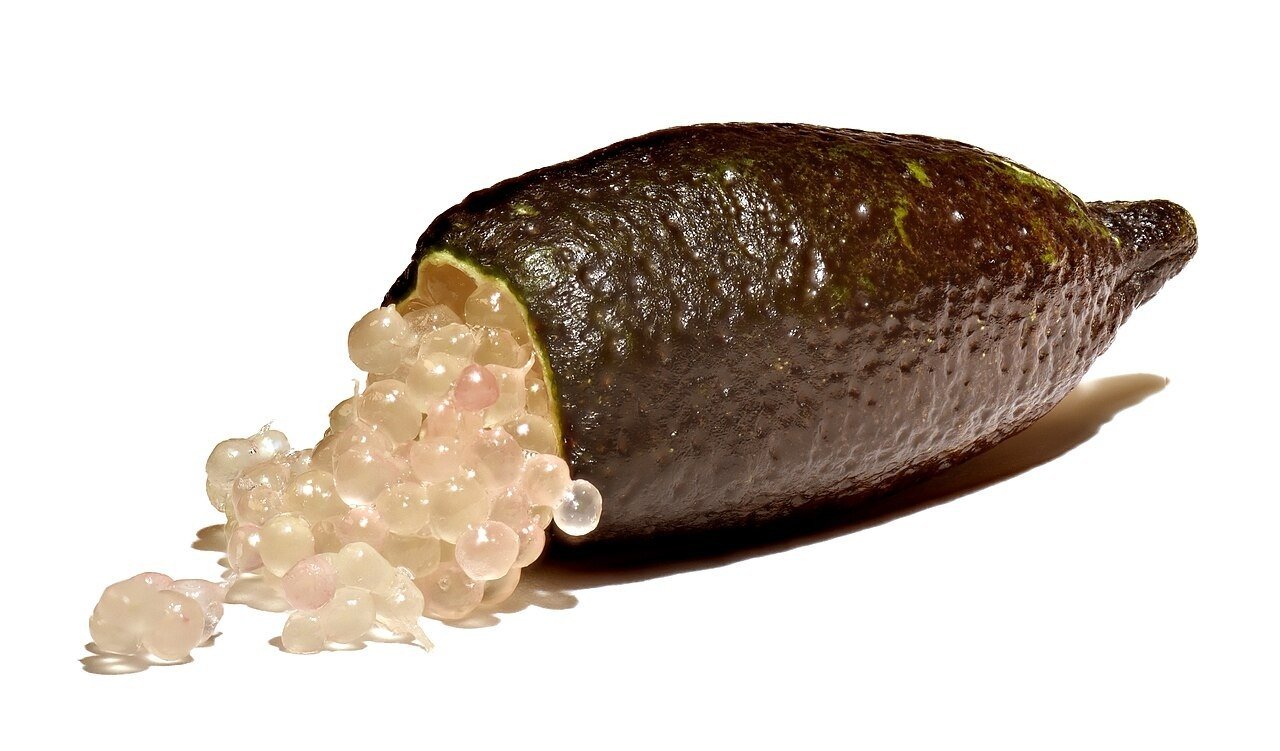
- Finger lime: named for its elongated shape and full of caviar-like jewels of juice (SBS Food). Spoon the pearls over seafood.
- Wattleseed: from acacia, with nutty, coffee and chocolate notes (Tourism Australia). Roasted and ground, it suits desserts and whipped cream. Not all wattle seeds are edible (SBS Food), so buy food-grade wattleseed rather than collecting your own.
- Mountain pepper: also called Tasmanian pepper; both the berries and leaves are edible (SBS Food). Use it like pepper, with a light hand.
- Macadamia: a native nut with a rich, buttery flavour (Tourism Australia). Toast and scatter over salads or into stuffing.
Availability varies by shop and season, and some of these (wattleseed and nuts especially) are allergen concerns for guests, so check with everyone. If you would rather buy ready-made, see our guide to native-flavour food gifts.
Seafood and prawns
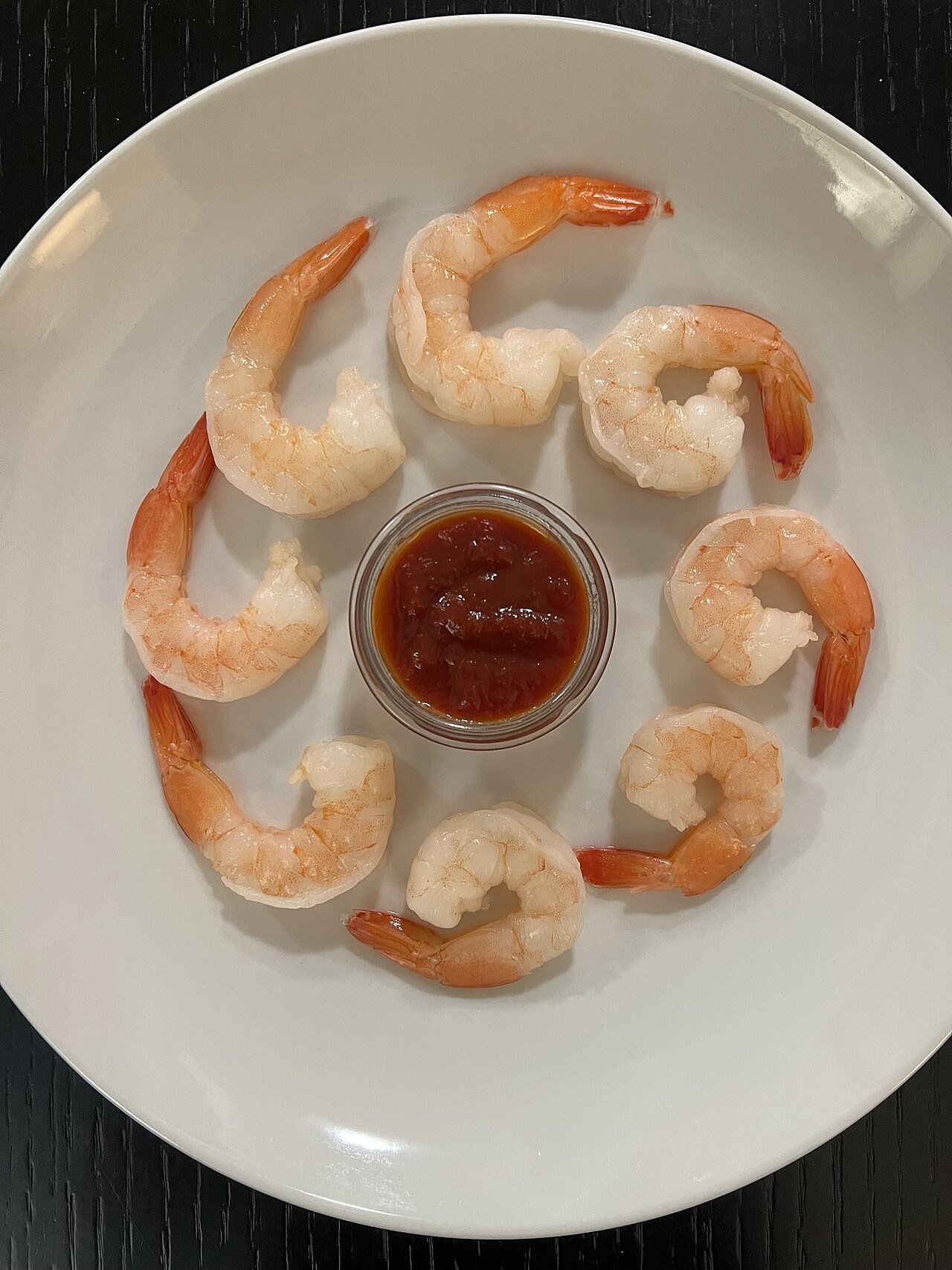
Buy from a reputable fishmonger, ask them to pack it with ice, and get it home to a cold fridge or esky straight away. Christmas Eve crowds are real, so order or shop early. Check your local market’s Christmas trading hours rather than assuming they are normal.
A big platter helps keep things tidy and looking good, and a bowl of ice underneath keeps prawns cold on the table.
Pavlova tips
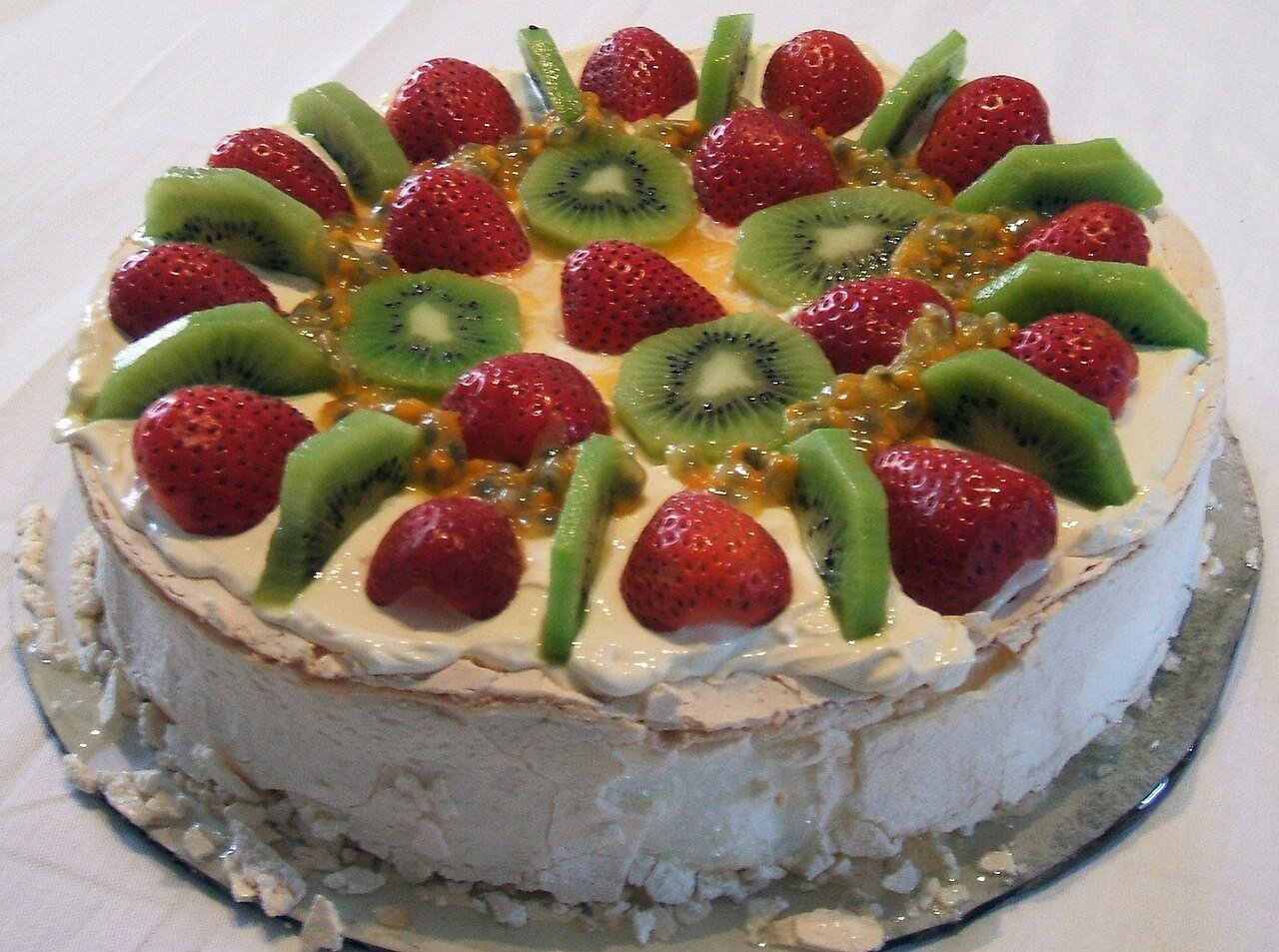
- Bake the meringue base ahead, then store it in an airtight container once cool.
- Whip the cream and add fruit just before serving, so the base stays crisp.
- Keep it away from humidity and steamy kitchens.
- Keep the cream-topped pav cold until it hits the table.
Yes, Australia and New Zealand still argue over who created it. Wikipedia describes it as a subject of “long-standing dispute” between the two countries, so we will leave that one to the dinner table. A cake stand gives it pride of place.
Food safety in the heat
This is the part not to skip. Food Standards Australia New Zealand (FSANZ) explains its 2-hour/4-hour rule as being based on how quickly microorganisms grow in food at temperatures between 5°C and 60°C. According to the FSANZ page:
- Under 2 hours: “The food can be used, sold or put back in the fridge to use later.”
- 2 to 4 hours: “The food can be used or sold, but it can’t be put back in the fridge to use later.”
- Over 4 hours: “This food can’t be sold and must be thrown away.”
The time is cumulative and includes preparation, storage and transport, so the clock keeps running while you carry a dish to the party. FSANZ’s own wording is aimed at food businesses; at home, the sensible takeaway is to keep cold food cold and not leave perishables on the table all afternoon. As FSANZ puts it, “If in doubt, throw it out.” Read the full rule on the FSANZ 2-hour/4-hour rule page.
Some practical habits (our own tips, not FSANZ wording):
- Pack your esky with plenty of ice and keep the lid shut.
- Serve cold dishes in smaller batches and top up from the fridge.
- Keep food in the shade and cover it to keep flies off.
- Refrigerate leftovers promptly, and bin anything that has sat out too long.
A hard cooler and a mesh food cover are cheap helpers for outdoor lunches.
Make-ahead timeline
A week before
- Finalise the menu and guest allergies, and order seafood and any ham.
- Source native ingredients, as stock can vary.
The day before
- Bake the pavlova base, make dressings and glaze the ham.
- Chop veg, marinate meat, and clear fridge space.
The morning of
- Collect seafood if you can, and keep it on ice.
- Set the table, then plate cold dishes late.
- Whip the cream and top the pav just before serving.
Bringing a plate as a guest
Pick something that travels well and stays cold: a salad with the dressing in a jar, a platter of fruit, or a tub of toasted macadamias with a bag of lemon myrtle for the host. Pack it in an esky and tell the host if it needs fridge space. For a small thank-you gift, browse our hampers, our guide to a DIY Christmas hamper, or Margaret River gifts (chocolate, cheese and olive oil are great non-alcoholic picks).
Setting the table
Native flowers from a florist look gorgeous on a Christmas table. Please do not pick protected native plants from the bush: in Western Australia, for example, the state conservation department notes that substantial penalties apply to picking native plants without a licence, and rules vary by state. For more ideas see our Australian Christmas decorations and Christmas crackers posts.
Aussies overseas
Many native ingredients cannot be posted overseas freely, and rules differ by country, so check before you buy or send. Start with our guide to sending Aussie food overseas and our Christmas gifts for Aussie expats.
Confirmed vs. not
Confirmed (checked 18 November 2026)
- The FSANZ 2-hour/4-hour rule wording above.
- Native ingredient descriptions from SBS Food and Tourism Australia.
- WA conservation department notice on penalties for picking native plants without a licence.
- Wikipedia: the pavlova origin is disputed between Australia and New Zealand.
Not confirmed / varies
- Seafood availability and prices.
- Market trading hours.
- Native ingredient stock.
- Allergens in your particular products.
- The weather on the day.
FAQ
What is a traditional Australian Christmas lunch?
There is no single rule, but a typical spread has cold seafood, glazed ham or barbecue, salads and a pavlova with summer fruit.
How long can food sit out in the heat?
FSANZ’s rule says food held between 5°C and 60°C for more than four hours in total should be thrown away. In hot weather, keep perishables chilled and out of the sun.
Can I make pavlova the day before?
You can bake the meringue base ahead and store it airtight. Add cream and fruit just before serving.
What native ingredients work for Christmas?
Lemon myrtle, finger lime, Davidson plum, wattleseed, mountain pepper and macadamia all suit a summer menu.
What can I bring to Christmas lunch?
A salad with dressing on the side, a fruit platter or a pav base, packed in an esky if it needs to stay cold.
More from Gumnutly
How we wrote this
- We researched official and reputable pages and did not cook the menu ourselves.
- Where we could not confirm something, we left it out or said so.
- Amazon links are search links and affiliate links; no brand sponsored this article.
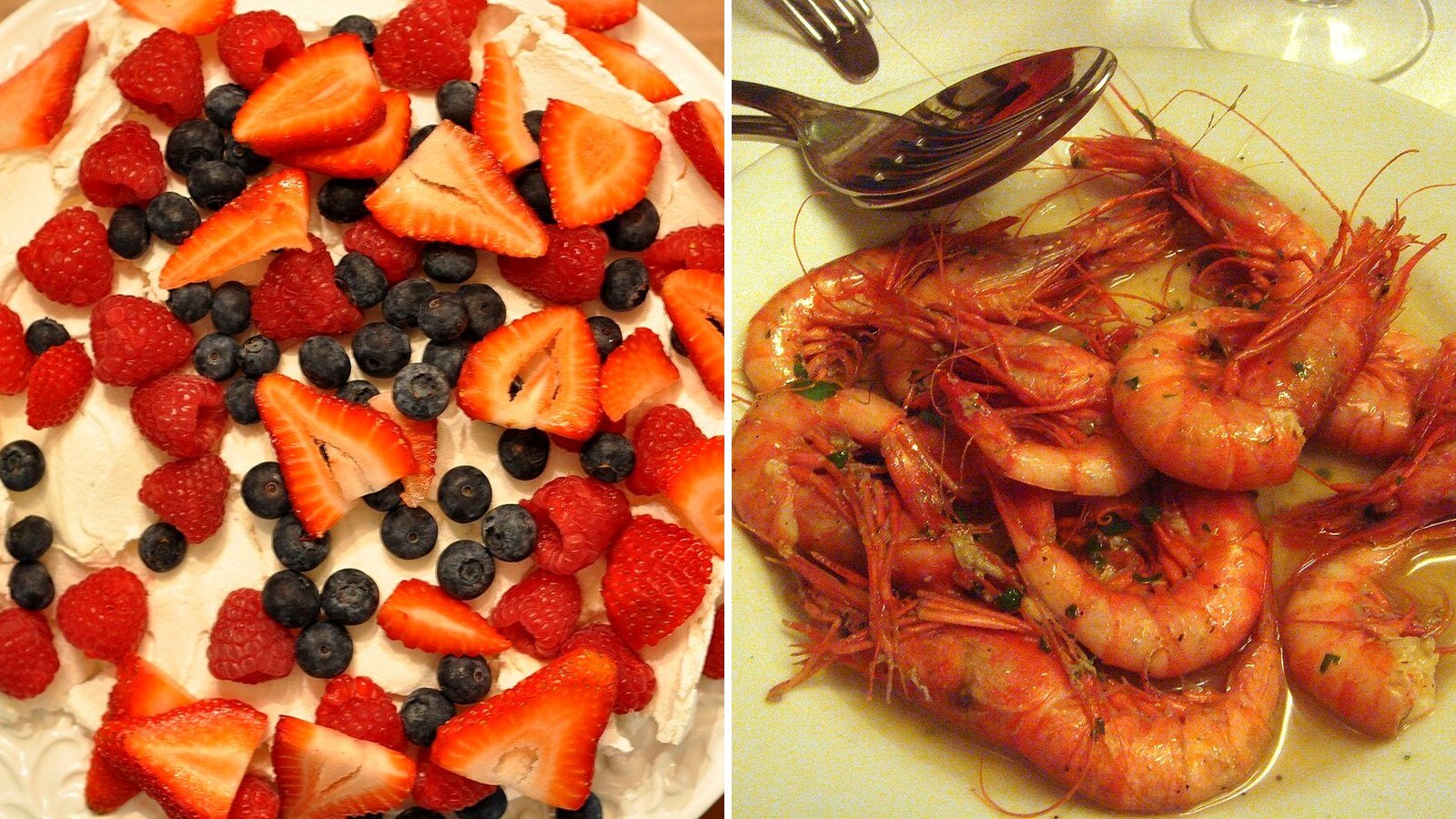
Top photo (two photos combined side by side by Gumnutly): left, a mixed berry pavlova, Kimberly Vardeman / Wikimedia Commons, CC BY 2.0; right, cooked prawns on a plate, Leon Brocard / Wikimedia Commons, CC BY 2.0. More on our photo credits page.
Sources
- FSANZ: 2 hour 4 hour rule
- SBS Food: Key ingredients, Native Australian
- Tourism Australia: Native Australian ingredients
- DBCA (WA): Watch out for Bunbury’s wildflowers this spring
- Wikipedia: Pavlova
Written by the Gumnutly team. Last checked: 18 November 2026.